Catheter stabilization devices are important tools that can secure catheters in place and ensure they are not removed accidentally. Many individuals prefer the comfort and security that comes with these devices, offering a secure fit without the use of tape or other straps that may be considered uncomfortable or ineffective.
Use this buyer’s guide intended for use by medical professionals and caregivers to help find the correct stabilization device for their needs. Learn more about the key features available, including securement anchors, adhesive straps, and leg-strap systems, and how to choose the right stabilization device for your needs. Use this buyer’s guide and explore product offerings made available on behalf of Medical Monks.
Why Catheter Securement Is So Important
Catheter securement is crucial not just in ensuring the comfort of the patient, but also to prevent unnecessary dislodgement of the catheter itself. Dislocation can cause damage to the tissue, along with pain and inflammation, and complications with reinsertion. A properly secured catheter ensures the device works correctly while avoiding an unpleasant experience for the patient. Catheters can be complemented with a number of different securing devices, including adhesive tape and locking mechanisms. Each option offers additional benefits and could cater to a patient’s differing preferences.
Should a catheter not be properly inserted and secured, it can also result in bacteria flowing into the catheter and the insertion site. Explore products that can properly secure a catheter in place, ensuring the device works as intended and reduces possible complications, including leakage and infection.
Some adhesive tapes are not sufficient to properly secure a catheter in place. At times, patients may see their catheter device pulled or tugged while walking, while improper securement can also result in complications such as leakage and infection. Consider the individual patient, their mobility, and take steps to prevent dislodgement, but also kinks in the catheter tubes themselves.
Types of Stabilization Devices
There are a number of options to consider when choosing the correct catheter stabilization device for your needs.
- Stabilization devices with an adhesive base use strips to bond between the skin and the device itself, offering flexibility while ensuring that a strong and secure bond is formed. Considered easy to apply, it comes with an air-tight fit that can ensure the device is secure and comfortable, prolonging the life of the catheter itself.
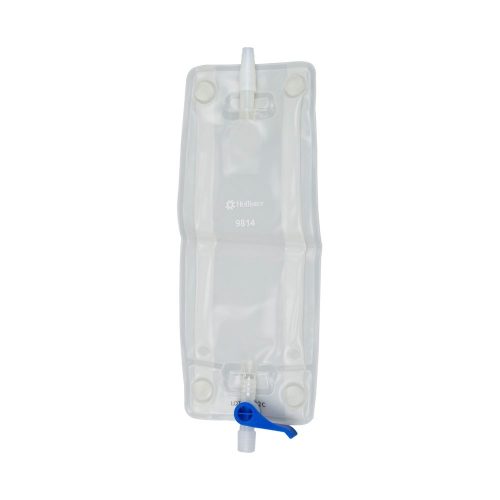
- Strap stabilization devices are ideal for external catheters that include a leg bag, where the bag can be discreetly taped to the patient’s leg. A properly secured strap can ensure drainage is done so correctly, without complication. Velcro is often wrapped around the thigh of the patient, securing the drainage tube in place. Some options also include elastic bands and tape to secure the strap in place.
- Some leg cuff catheter stabilization devices include an adjustable strap system that includes velcro that can be fastened and then adjusted around the patient’s leg or calf. This is a great option for patients who prefer not to use adhesive tapes, as the system often comes with a loop or pocket to help facilitate collection into the catheter’s bag. Generally considered comfortable for patients, many of these systems can be adjusted according to a patient’s needs.
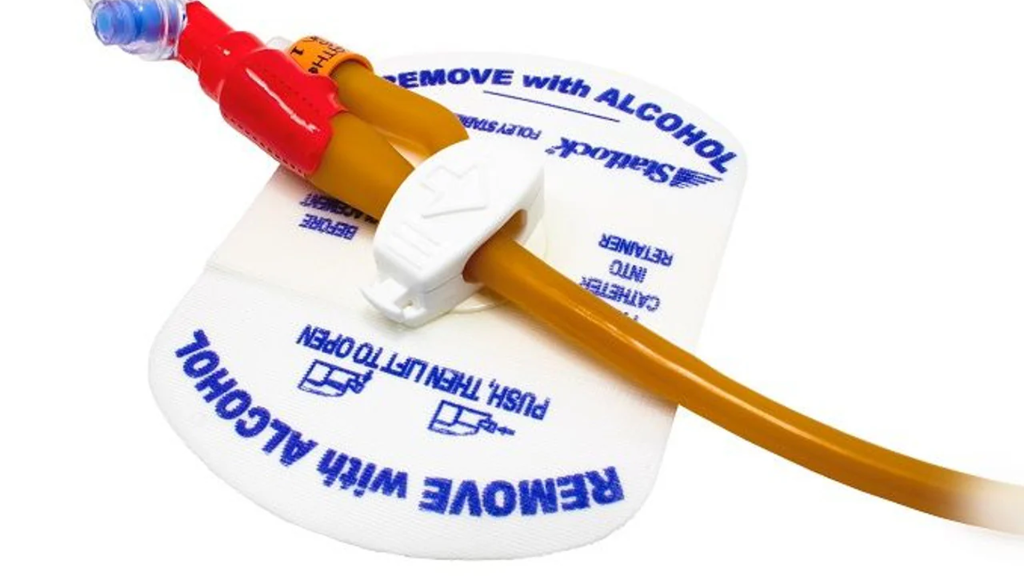
- A locking clip catheter stabilization device is a device similar to a clip that ensures the catheter is set in place, preventing it from moving or being dislodged. Available for catheters intended for both men and women, the locking device can be easily removed as needed and comes with an adhesive pad for a comfortable and secure seal.
Matching Device to Patient Needs
Consider the needs of each individual patient, including the specific catheter being used, their age, including how frequently the catheter will need to be changed. Some patients may be more comfortable with an option that doesn’t include latex, while other devices may be more suitable if the catheter tube needs to be frequently replaced.
Some patients may prefer a stabilization device placed on the leg or thigh, while other patients may prefer securement devices that come without adhesive strips. Consider whether or not the patient has had issues with dislodgement in the past, while also considering options that can reduce the risk of infection. In other cases, a securement device that focuses on adjustability and mobility may be more appropriate.
Consider a patient’s history of skin irritation or any allergic reactions to latex. Patients may find that some adhesive stabilization devices irritate the skin, calling for a more gentle option. Many devices also include anti-microbial elements that can reduce infection while ensuring a secure hold. Catheter dislodgement can result in a number of complications that should be addressed preemptively with a lock and secure device.
Should a catheter not be properly secured, it is likely to result in significant discomfort, bleeding, and infection. Damage to the insertion area can cause several issues, while infections will likely result in additional treatment required at a hospital or other medical facility. In some circumstances, air can find its way into the bloodstream, prompting potentially life-threatening health complications. Ensuring that any catheter is properly secured is essential for extended comfort and additional medical procedures.
Explore product offerings that balance both comfort and a secure fit to prevent issues well before they occur. Your efforts will actively prevent issues like infections like UTIs or medical complications with the kidney.
Buying Tips For Catheter Stabilization Products
First and foremost, match a stabilization device to the catheter being used. Some stabilization devices are intended for certain types of catheters. Read and follow the labels of any device prior to purchase. Some securement devices have durability in mind, suitable for patients who need to have the catheter removed frequently.
Devices that “lock” or include adjustable velcro straps often provide the strongest hold, while other options that are latex-free may prevent skin irritation and reduce the risk of infection. Patients who are quite mobile may benefit from adjustable securement devices, helping them secure the device in place but still be able to sit, walk, or stand.
Work with the patient to find an option that meets their needs, allowing for comfort and a secure seal that actively prevents complications before they happen. Consider that caregivers will need to balance the needs of comfort, placement, and secure stabilization to prevent dislodgement or other infection. Patients with a history of dislocation issues should consider stabilization devices that lock in place, but still offer comfort. Some products will also include anti-microbial ointments that are helpful for reducing the risk of infections.
Browse Product Offerings on Behalf of Medical Monks
Visit the Medical Monks online store to buy catheter stabilization devices, suitable for use in medical facilities of all kinds. Whether you are a medical professional or caregiver, our long list of offerings is intended to help you find the perfect product for your needs. Explore offerings suitable for a wide range of patient needs, including stabilization devices that can be used for Foley and external catheters.
Learn more about our offerings, including our long list of medical products that can be shipped across the United States. Consider consulting with a healthcare professional should you be unsure of which product is right for your needs. Always carefully read and follow the label of any medical product you purchase. Visit our website regularly for new content and products tailored to your needs.

The MEDICAL MONKS STAFF brings to the table decades of combined knowledge and experience in the medical products industry.
Edited for content by JORDAN GAYSO.