Ostomy Pastes & Powders
Stoma powders and pastes can make your ostomy experience better. Protect the skin around your stoma, get a better seal to prevent leakage or alleviate symptoms of irritation with the wide selection of high-quality ostomy powders and pastes available here.
What Is Ostomy Paste?
Contrary to what the name may imply, ostomy paste doesn’t provide adhesive properties. Instead, it functions more like a filler or caulk to address uneven or contoured skin or create a flatter surface for supporting the barrier plate. To do this, ostomy pastes come in tube and strip forms to apply.
Why might a patient need to use ostomy paste? Folds or other uneven areas around the stoma can create adhesion issues, preventing the barrier from securely remaining on the skin and increasing the risks for detachment and leaks. Application helps fill the gaps and create a more secure ostomy experience.
To use, ostomy pastes and strips are applied to the barrier plate rather than directly to the skin. After application, it’s recommended that you hold the barrier in place for at least a minute to establish a secure hold with the skin and improve adhesion. Before applying, be sure to thoroughly clean the skin of residue, avoid soap and dry the area, as wet skin can further pose attachment complications.
What Is Ostomy Powder?
Building off issues involved in applying a barrier and paste, wet, weeping skin increases the risk the barrier will detach and cause the stoma to leak during wear.
Ostomy powder provides moisture control. This has a two-fold benefit: Damaged skin can heal while receiving protection from stomal output, and your barrier has a greater chance of remaining in place during the day.
As a note, ostomy powder isn’t an everyday product. Patients are recommended to use it if they have moist, raw or damaged peristomal skin. Once the area heals, stop applying ostomy powder to the skin.
Selection of Ostomy Powders and Pastes
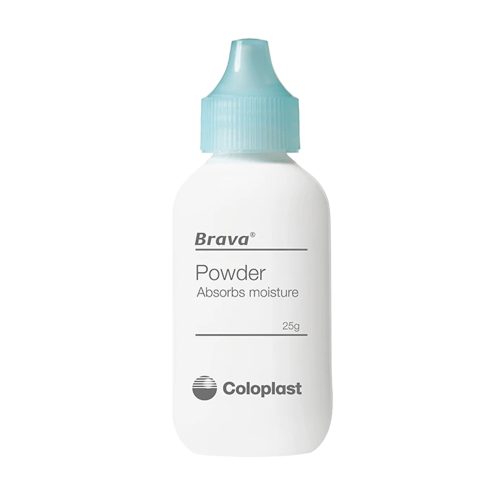
We carry a wide selection of ostomy powders and pastes from brands you trust, like Hollister Adapt, Coloplast Brava and ConvaTec Stomahesive. If you’re uncertain about which skin protectant paste, barrier strips or stoma powder is best for you, get help from our friendly and knowledgeable customer care associates. They’re happy to discuss product specifics or help place your order — whether you prefer talking on the phone, texting, live online chatting or emailing.
Peristomal Problems
The three most common peristomal skin problems are contact dermatitis, irritant dermatitis and fungal infections. As with any change in health, you should contact your doctor or health care professional for diagnosis and treatment of new or recurrent problems with the skin around your stoma. An ostomy powder will help alleviate certain skin problems by absorbing moisture from broken skin around the stoma.
Another cause of peristomal skin irritation is stoma leakage. Ostomy paste is like caulking that helps seal your pouching system and protect against leaks. It can even out your skin’s surface to create a better seal with the base plate of your ostomy.
But if your skin is even and smooth, you shouldn’t need ostomy paste. A light dusting of ostomy powder helps keep the skin around your stoma dry, reduce irritation and help the base plate of your ostomy system adhere better. Once you’ve determined that you’re using the correct type of ostomy system for your situation, find a wide variety of ostomy powders and pastes here.
Crusting Combos
Whether you’re a caregiver or an ostomy patient, you may have wondered how to use stoma powder and paste to create a crust on denuded peristomal skin. The crusting method creates a barrier over severely damaged skin to which the barrier can adhere while protecting the irritated skin. For some ostomates, the crusting method is a great way to provide security with their ostomy appliance.
Consult a professional wound care nurse or skin care specialist if you’re at all unsure about the condition of the skin surrounding your stoma.
To apply the crusting method, first gently clean the area with tap water or a no-rinse skin cleanser. Sprinkle a thin layer of stoma powder over the entire area, and then spray the area with a barrier spray. Once dry, this combination should allow adhesion of your ostomy pouch while protecting your skin so it can heal.
When should I use ostomy powder versus ostomy paste?
Ostomy powder and paste serve different purposes in peristomal skin care. Powder is used to treat weeping, moist, or broken skin around your stoma by absorbing moisture and creating a dry surface for your barrier to adhere to. You sprinkle a light dusting of powder on the irritated skin, brush off the excess, and then apply a skin barrier film over it to seal the powder in place before attaching your appliance. Paste is used to fill gaps and irregularities between your stoma and the barrier opening. It creates a smooth, level surface that helps the barrier seal evenly. If your skin is healthy but your barrier leaks due to uneven skin contours, use paste. If your skin is red, weeping, or damaged, start with powder to dry and protect the skin first. Many ostomates with both skin irritation and uneven surfaces use powder first, seal it with barrier film, and then apply paste where needed.
Does ostomy paste sting when applied to irritated skin?
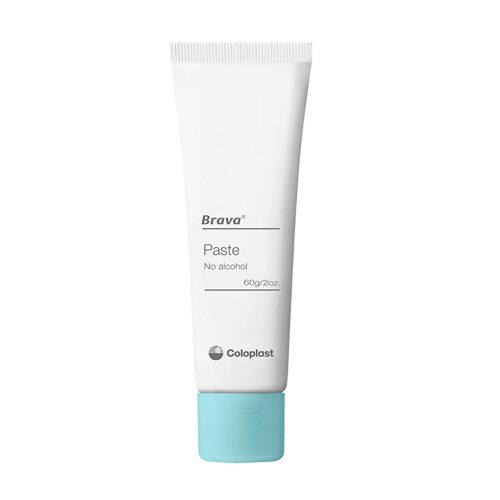
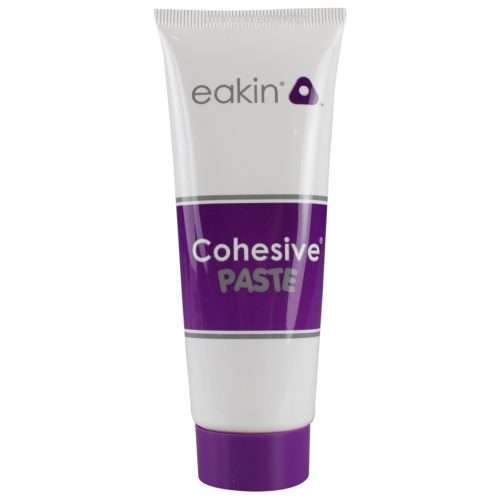
Most traditional ostomy pastes contain alcohol as a solvent, and yes, they will sting when applied to broken, irritated, or weeping peristomal skin. The stinging is temporary, usually lasting thirty seconds to a minute, but it can be quite uncomfortable on severely damaged skin. If stinging is a concern, several alcohol-free paste alternatives are available. Eakin Cohesive Paste by ConvaTec is the most widely recommended alcohol-free option and is specifically designed for sensitive or compromised skin. Coloplast Brava Paste is another alcohol-free alternative. Safe n Simple also makes a sting-free barrier paste. Beyond paste, moldable barrier rings from Coloplast, Hollister, or ConvaTec provide gap-filling without any sting at all and are often preferred by people with chronic skin irritation. Medical Monks carries all of these options, and your ostomy nurse can help determine which approach works best for your skin condition.
How do I use stoma powder to heal irritated peristomal skin?
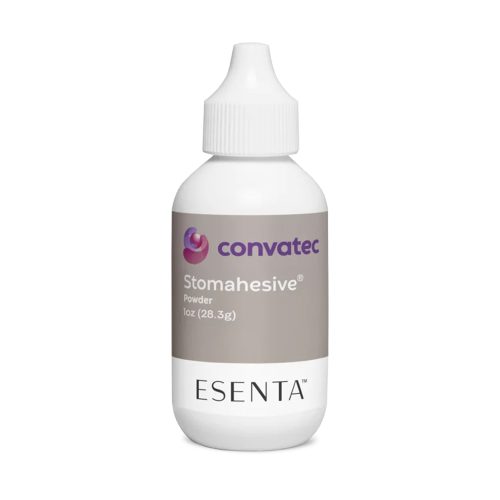
Start by gently cleaning the irritated skin around your stoma with warm water and patting it dry. Sprinkle a thin layer of stoma powder directly onto the red, weeping, or broken skin areas. You only need a light dusting, not a thick coat. Gently brush off any excess powder so only a fine layer remains adhered to the moist skin. Next, apply a skin barrier film spray or wipe over the powdered area and let it dry completely. This is called crusting or the powder-and-seal technique, and it creates a smooth, dry surface that your barrier adhesive can grip. You can repeat the powder-and-seal process two to three times for more severe irritation. Once sealed, apply your barrier and pouch as normal. Stomahesive Powder by ConvaTec and Adapt Stoma Powder by Hollister are the two most commonly used products for this technique.

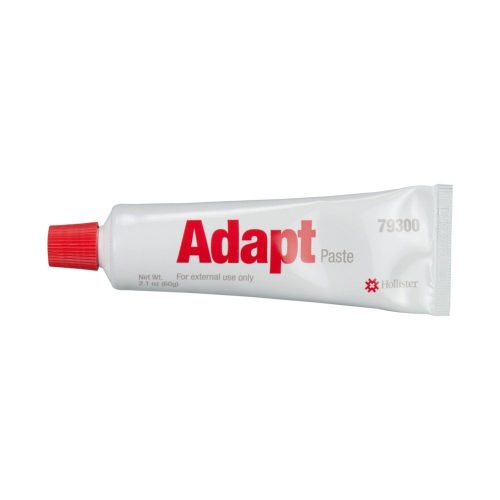 Hollister
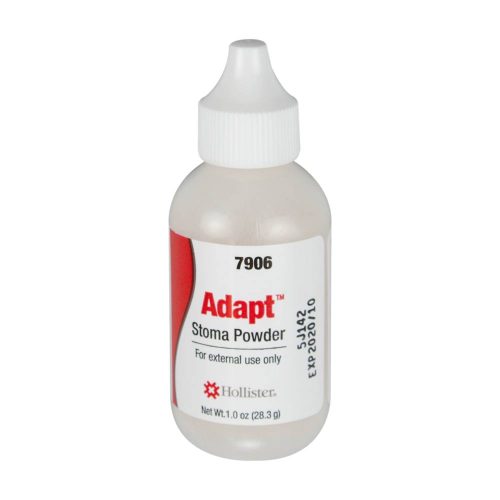 Hollister
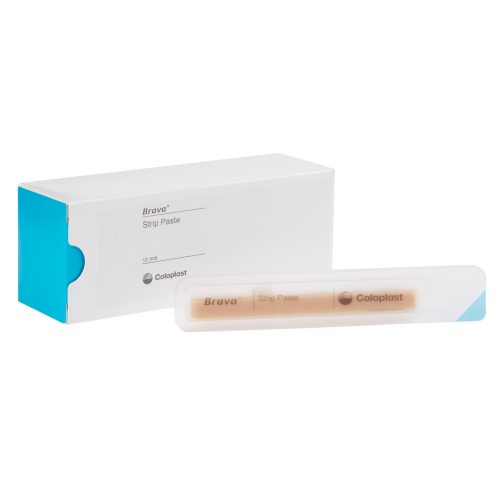 Coloplast
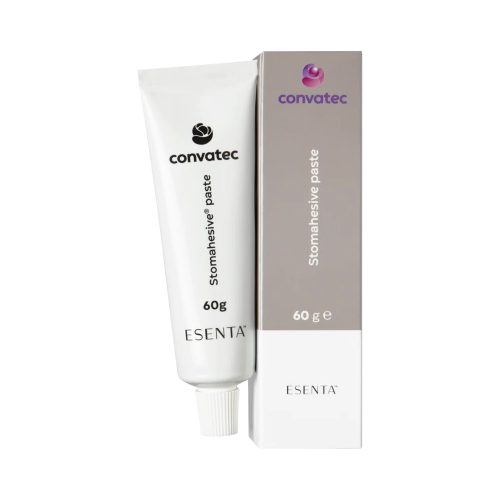 ConvaTec
 Coloplast
 ConvaTec
 Coloplast
 ConvaTec
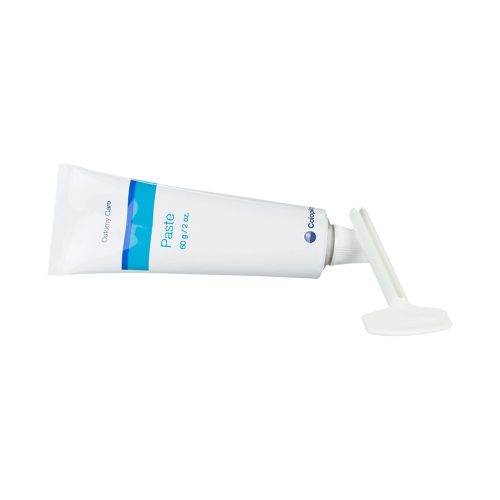 Coloplast
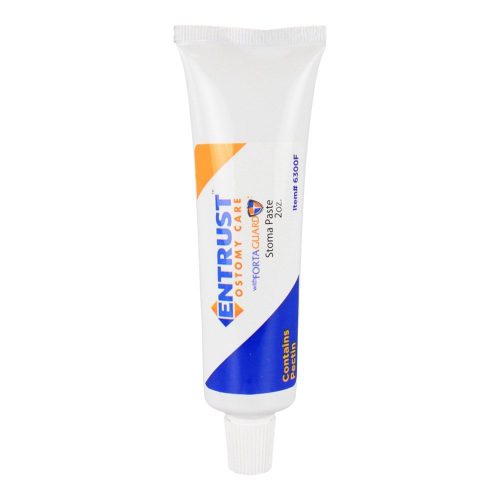 Fortis Medical
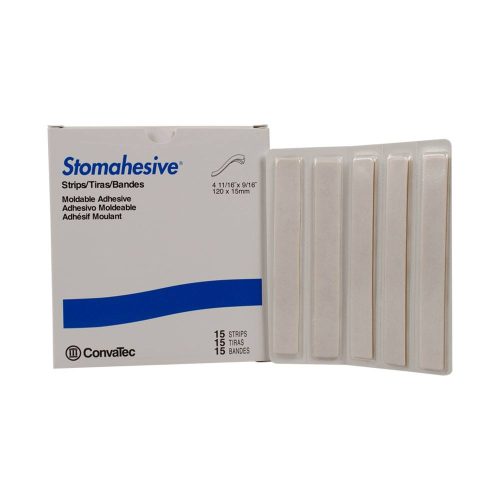 ConvaTec
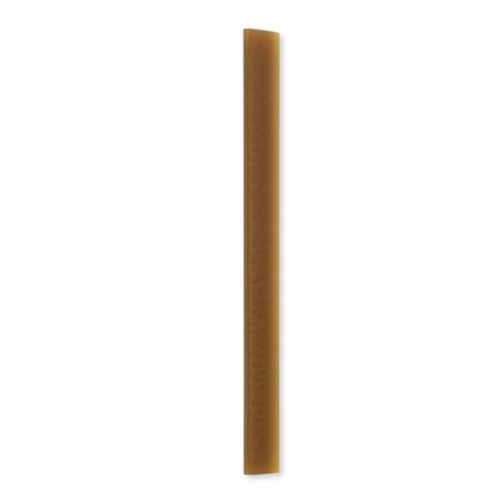 Hollister
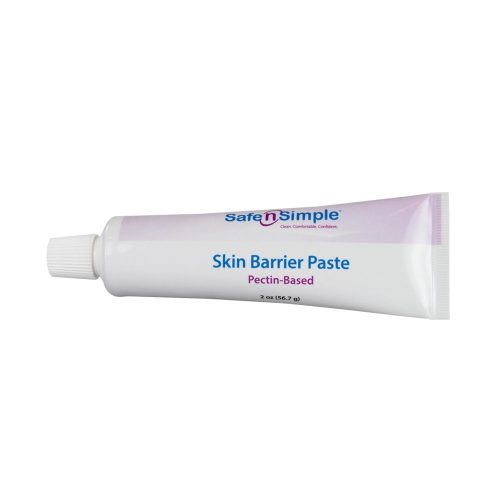 Safe n' Simple
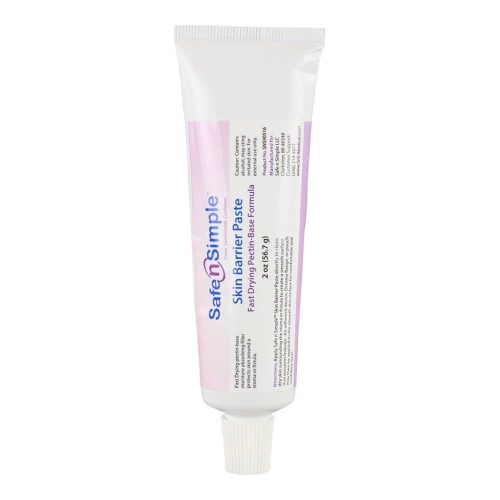 Safe n' Simple
 Safe n' Simple
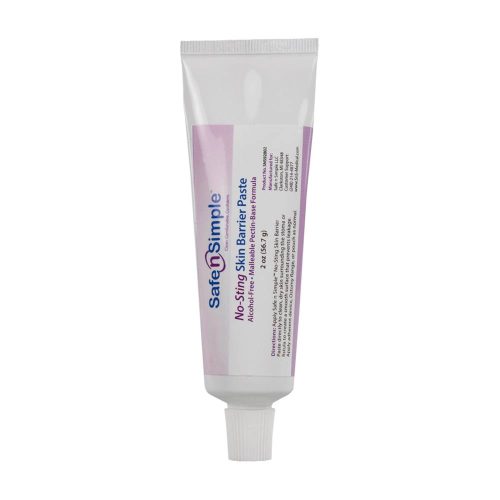 Safe n' Simple