- My Account
- Place a Reorder
- Logout

Showing 1–16 of 17 results
-
Sale!
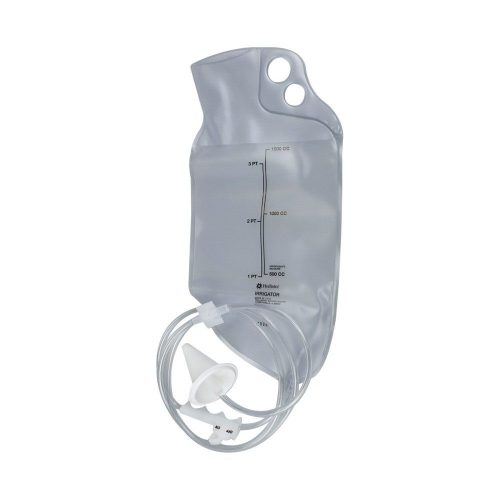 Hollister
Hollister Cone Irrigator Kit
Starting at: $37.99 Select options This product has multiple variants. The options may be chosen on the product page -
Sale!
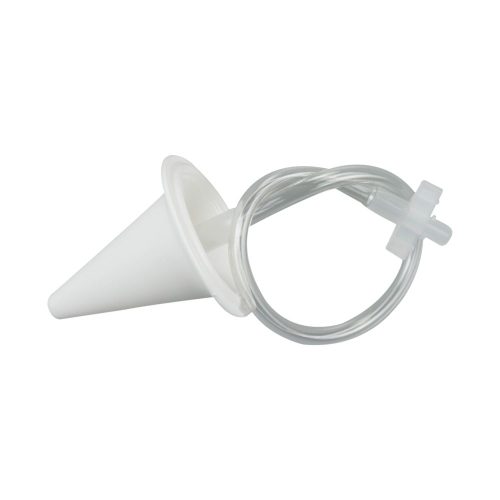 Hollister
Hollister Stoma Cone With Connector
Starting at: $148.89 Select options This product has multiple variants. The options may be chosen on the product page -
Sale!
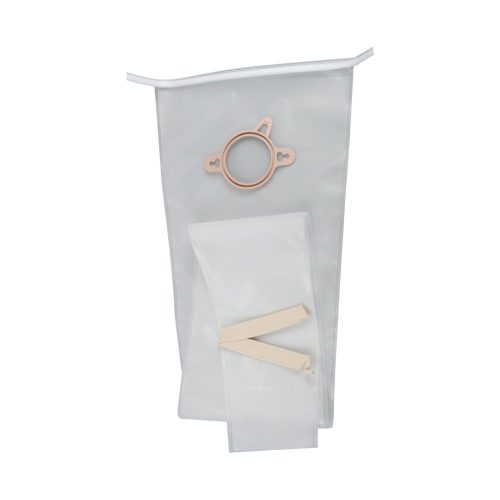 Hollister
Hollister New Image Irrigation Sleeve
Starting at: $31.29 Select options This product has multiple variants. The options may be chosen on the product page -
Sale!
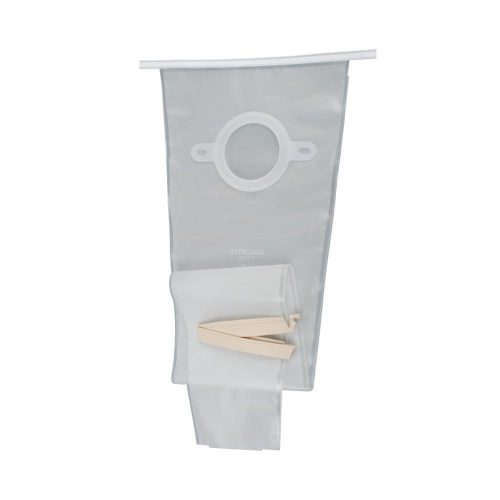 Hollister
Hollister Irrigation Sleeve With Belt Tabs
Starting at: $2.99 Select options This product has multiple variants. The options may be chosen on the product page -
Sale!
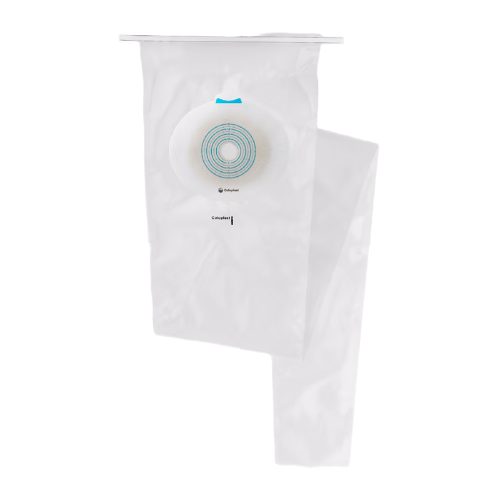 Coloplast
Coloplast SenSura Mio 1-Piece Irrigation Sleeve
Starting at: $59.89 Select options This product has multiple variants. The options may be chosen on the product page -
Sale!
 Revel
RevelRevel It’s in the Bag Deodorizing Ostomy Bag Lubricant
Starting at: $18.99 Select options This product has multiple variants. The options may be chosen on the product page -
Sale!
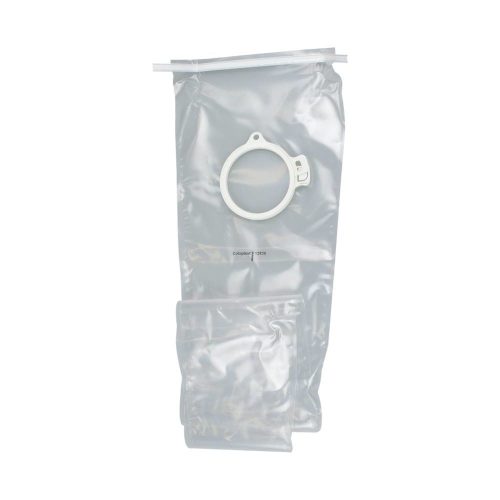 Coloplast
Coloplast SenSura or Assura Irrigation Sleeve
Starting at: $27.99 Select options This product has multiple variants. The options may be chosen on the product page -
Sale!
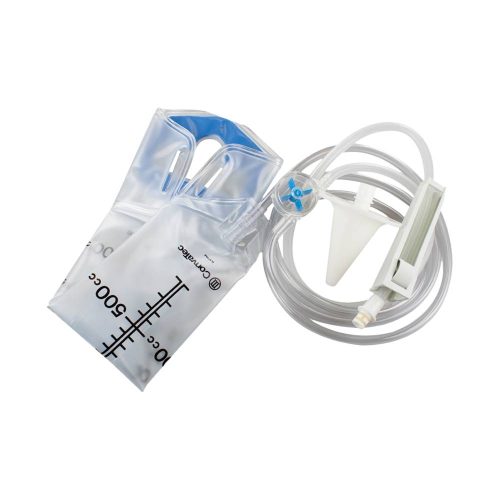 ConvaTec
ConvaTec Visi-Flow Irrigator With Stoma Cone
Starting at: $35.69 Select options This product has multiple variants. The options may be chosen on the product page -
Sale!
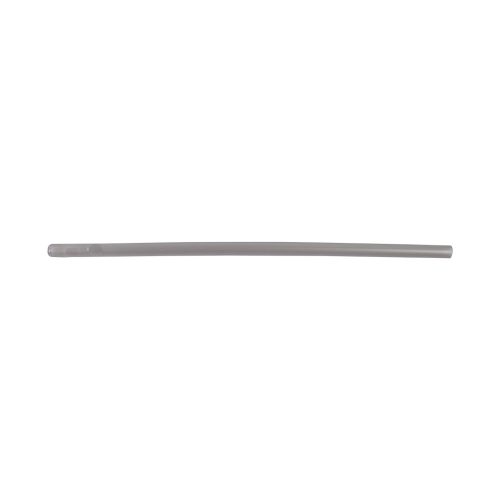 Torbot
Torbot Medena Illeostomy Drainage Catheter – Straight Tip
Starting at: $12.99 Select options This product has multiple variants. The options may be chosen on the product page -
Sale!
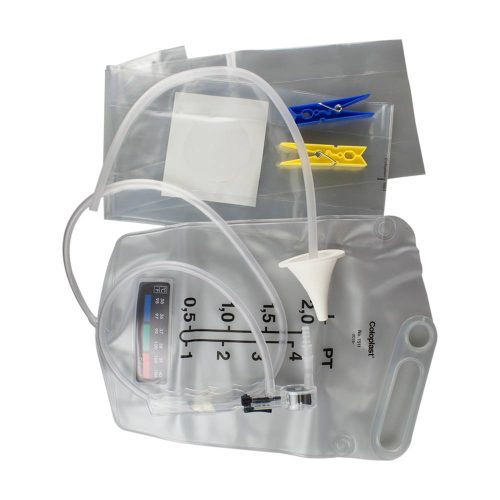 Coloplast
Coloplast Economy Version Irrigation Set
Starting at: $42.59 Select options This product has multiple variants. The options may be chosen on the product page -
Sale!
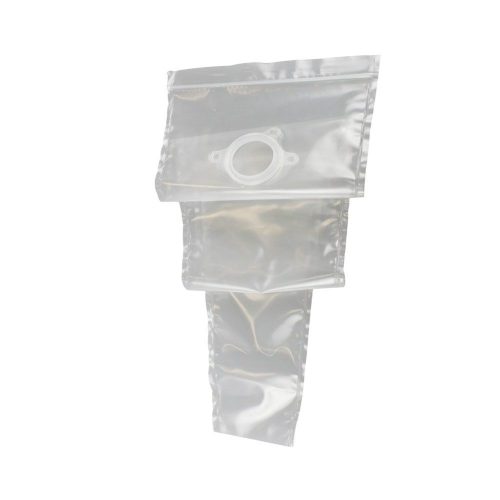 ConvaTec
ConvaTec Visi-Flow Irrigation Sleeve
Starting at: $31.79 Select options This product has multiple variants. The options may be chosen on the product page -
Sale!
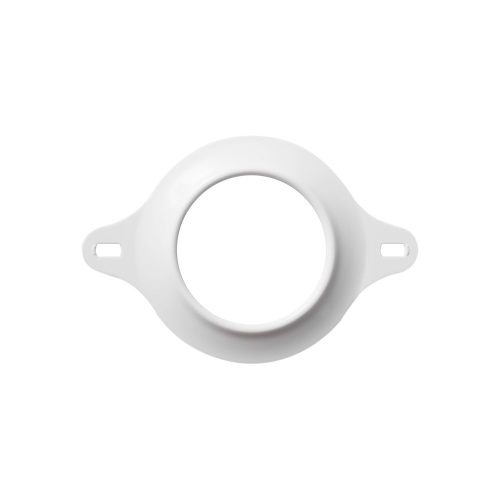 Coloplast
Coloplast SenSura or Assura Irrigation Faceplate
Starting at: $22.09 Select options This product has multiple variants. The options may be chosen on the product page -
Sale!
 Coloplast
Coloplast SenSura or Assura Deluxe Version Irrigation Set
Starting at: $92.39 Select options This product has multiple variants. The options may be chosen on the product page -
Sale!
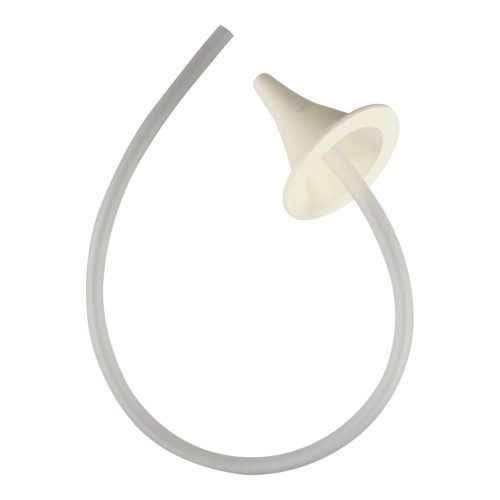 Coloplast
Coloplast Stoma Cone
Starting at: $20.09 Select options This product has multiple variants. The options may be chosen on the product page -
Sale!
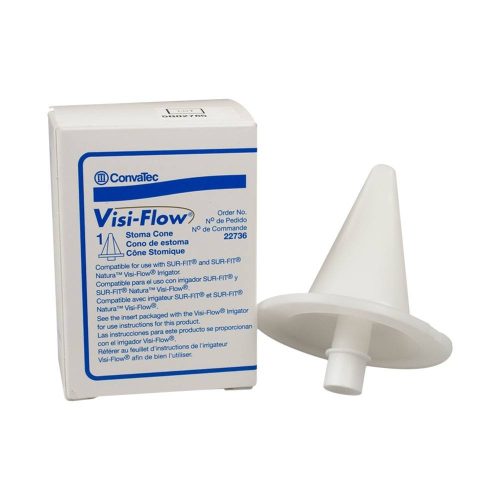 ConvaTec
ConvaTec Visi-Flow Stoma Cone
Starting at: $13.39 Select options This product has multiple variants. The options may be chosen on the product page -
Sale!
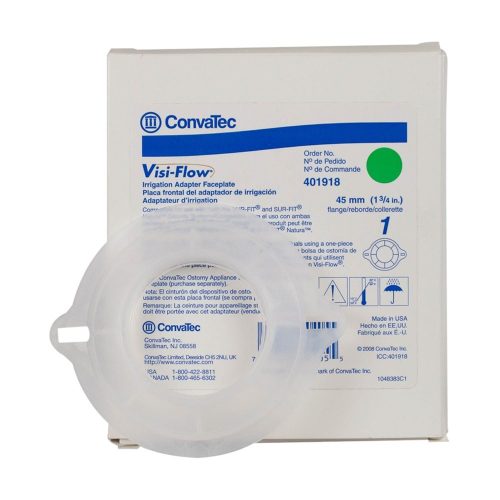 ConvaTec
ConvaTec Visi-Flow Irrigation Adapter Faceplate
Starting at: $13.89 Select options This product has multiple variants. The options may be chosen on the product page