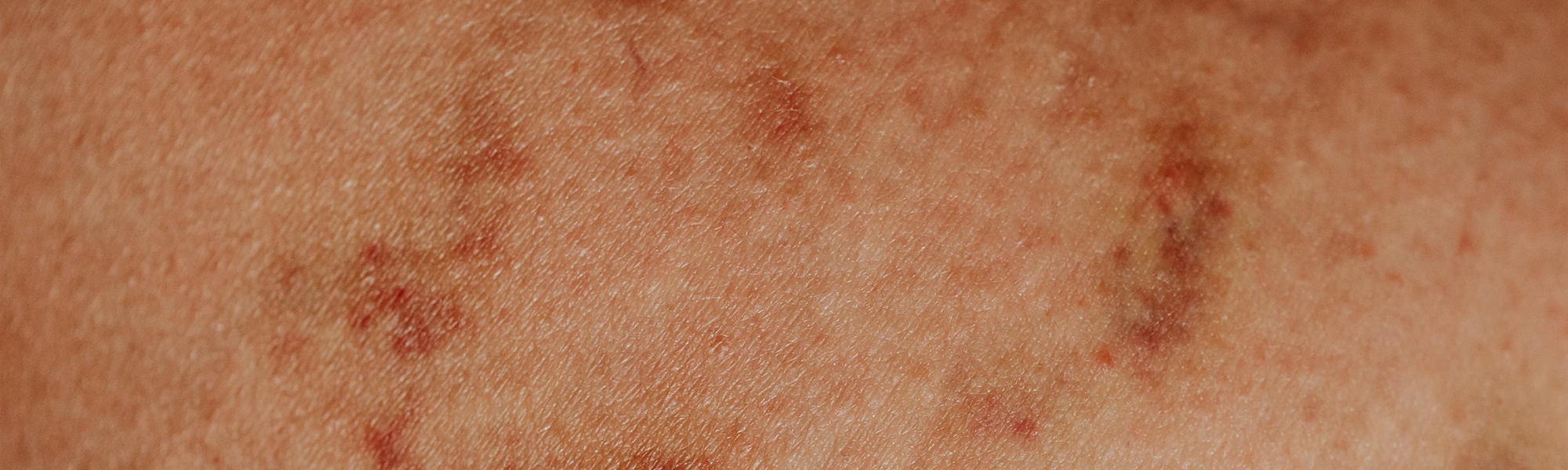

A chemical burn safety & first aid guide
How To Recognize, Treat & Prevent Chemical Burns
About 17,900 people seek medical care for chemical burns each year in the U.S, making up just under 4% of all burn patients. Moreover, when including minor injuries, 25,000-100,000 chemical burn incidents are reported annually, on average.
Fortunately, chemical injuries can be treated, and most can be prevented by taking simple precautions.
What Is A Chemical Burn? (Overview)
A chemical burn is an injury caused by a reaction upon contact between a person’s skin, eyes, or internal tissues and a substance, due to the substance’s chemical makeup. These chemical reactions can cause injuries akin to thermal burns.
Most substances involved in chemical burns are corrosive or toxic, with highly caustic or acidic fluids a common culprit.
Unfortunately, the chemical reaction can alter how traditional burn ointments and salves affect the injury. As a result, chemical burns require different treatment than typical burns.
Types of Burn-Causing Chemical Reactions
Different types of chemical reactions can cause burn injuries. The most common are:
- Corrosion: an alkaline or acidic chemical reaction that destroys tissue on contact.
- The Department of Transportation classifies substances with a pH ≤ 2.0 or ≥12.5 as corrosive hazards.
- Disruption / dissolution: an alkaline, acidic, or neutral chemical reaction that changes the molecular structure of skin or tissue. Disruption causes tissues to warp, crack, become inflamed, or dissolve.
- Substances that trigger dissolution reactions with fats are called “solvents”
- Lipid saponification: an alkaline chemical reaction that breaks molecular bonds in fat specifically. It damages or destroys fat in tissues.
- Endothermic reaction (frostbite): a chemical reaction that dramatically reduces the temperature of the skin or tissue touching the substance.
- This causes cell death through frostbite.
- Exothermic reaction: a reaction in which a substance releases heat as it reacts, spiking the temperature of the chemical reaction’s site.
- This can create a thermal burn on the skin, similar to a typical burn from a flame or hot stove.
Certain neutral substances can still react to release heat, which can cause injuries. For example, “de-icing” CaCl₂ solutions have been known to cause thermal burns on skin.
Acid Burns Vs. Caustic Burns
Chemicals have an alkalinity level ranging from 0 to 14 on the pH scale. Acids have a pH lower than 7.0, while alkaline substances have a pH higher than 7.0. Distilled water has a pH of 7.0, which is neutral.
Acidic chemical burns are caused by a substance with a low pH. Caustic chemical burns are caused by substances with a high pH.
Knowing whether a chemical burn is acidic or caustic is key, as neutralizing any remnants of the substance can help treat the wound.
Skin’s Acid Mantle
Because human skin has an acidic outer layer (called the “acid mantle”) with a pH of 4.5-5.5, skincare brands sometimes refer to products with a pH in that range as “neutral.” The acid mantle is also why humans suffer chemical burns from caustic substances more easily than from acidic ones.
Solvents & pH-Neutral Chemical Injuries
Neutral substances don’t typically cause chemical burns. But, pH-neutral solvents like acetone can cause burn-like injuries.
Acetone’s dissolution reaction on skin dissolves skin’s protective moisture barrier, the stratum corneum. More severe acetone burns can dissolve the lipids in the skin’s deeper hypodermis layer, and the deadliest solvents can melt internal, visceral fat.
Which Household Chemicals Cause Burns?
Chemical Burns are most often caused by household and industrial cleaners, solutions used in leather tooling or woodworking, chemicals used in electronics, and cosmetic ingredients. Extremely acidic or alkaline chemicals are more likely to cause burns.
Hydrogen Peroxide Burn Factors: Heat & Dilution
Chemicals’ pH values change when their temperatures change. Increasing (concentrating) or decreasing (diluting) the amount of a given chemical within a substance also changes its pH.
Thus, temperature and dilution affect the chemical burn risk a substance poses.
The type of hydrogen peroxide used for cleaning or sanitizing around the house is a 3% concentration. These 3% hydrogen peroxide solutions are pH neutral (7.0) and can’t chemically burn.
But, industrial-strength hydrogen peroxide (35%) is highly acidic. With a pH of 3.3, it can cause severe burn injuries.
Industrial hydrogen peroxide burn injuries aren’t always chemical burns. Instead, because it’s an oxidizer, hydrogen peroxide poses a significant risk of accelerating fire if it’s stored or used incorrectly.
Alkaline Chemicals Like Drano & Bleach Can Burn
Several everyday household substances pose a risk of caustic burns due to their high alkalinity.
Alkaline cleaners and surfactant soaps include:
- Anti-grease dish soap (pH 8.7-9.3)
- Benzalkonium chloride (i.e., Lysol) sprays (pH ~9.5)
- Ammonia solutions (pH 11.3-11.7)
- Bleach gel toilet cleaner (pH 12.5-13.5)
- Oven and grill cleaners with potassium hydroxide (pH 13.0-14.0)
- Concentrated lye (i.e., drain cleaner) (pH 13.5-14.0)
Alkaline burns tend to be deeper and more severe than acid burns.
Some Skincare Products Can Cause Chemical Burns
Certain skincare products can cause chemical burns when the pH is too low, given the amount of time they’re supposed to rest on one’s face.
Skincare products aren’t as acidic as other household substances. Most use glycolic acid at a concentration that puts its pH around 3.0-4.0. In contrast, household acids include:
- Multi-surface cleaners using diluted citric acid (avg. pH ~2.3)
- Phosphoric acid solutions for grout cleaning or rust-removal (avg. pH 1.5-2.0)
- Battery acid poses a significant risk if a battery breaks (pH 0.8)
Skincare products most likely to cause chemical burns include DIY chemical peels, Acne treatments with retinol and AHAs, and facial masks recalled for incorrect formulation.
Knowing your products’ pH levels and ingredients is key to determining how to treat a chemical burn on the face from skincare products.
Topical Muscle & Joint Pain Relievers Have Caused Chemical Burns
Learning how to treat a chemical burn from Icy Hot, or a similar topical muscle rub, is useful.
The vast majority of topical creams do not cause any injuries. However, the FDA has warned about “Rare cases of serious burns with the use of over-the-counter topical muscle and joint pain relievers.”
The warnings indicate muscle rubs with methyl salicylate and menthol have caused a small number of chemical burn incidents. It makes sense that those two ingredients would pose some risk.
Methyl salicylate is a notable solvent, and it’s used to dissolve fat in other substances and concentrations. Menthol creates a “cooling sensation” by creating an endothermic reaction, absorbing heat as it melts.
Typically, the two ingredients generate a comfortably soothing cool-then-hot reaction. But if the ratios are off, the storage temperature changes significantly, or if the cream contacts a third substance, Icy Hot’s ingredients could react dangerously.
The methyl salicylate could enact a dissolution reaction, dissolving the skin as it sinks in. Or, the cream’s chemicals could react exothermically, releasing significant heat and leaving thermal burns on skin.
How To Assess Chemical Burn Severity
To assess the severity of a chemical burn, pay attention to the burn’s location on the body and the depth of damage. The burn’s depth determines its degree.
Note the chemical that caused the burn, and be sure to report it to treating clinicians.
Chemical Burn On Face, Skin Vs. Internal Burns
Location is key to effective treatment. If the chemical burn is in someone’s eyes or mouth, or if they’ve swallowed or inhaled the chemical, call 911.
Call the National Poison Control Hotline (1-800-222-1222) for immediate response directions that address the specific chemical causing the injury.
Burn Depth & Qualities
The burn’s depth is the primary trait determining its degree. First-degree burns are superficial. They only damage the outermost layer of skin, like a sunburn.
Second-degree burns, or “partial thickness” burns, damage both the epidermis and some dermis layers. They cause blisters and can be “shiny” with weeping fluid.
Third-degree burns, or “full thickness” burns, penetrate all skin layers. They often also burn fat or muscle tissue beneath the skin.
Traits like infection or inflammation indicate a burn is more severe. Likewise, children, older adults, immunocompromised people, and those with certain skin conditions are at risk of serious complications.
DIY: Mild Chemical Burn Treatment In 5 Steps
If you think a chemical burn is probably mild, but aren’t sure, call the National Poison Control hotline.
1. Determine If The Burn Is A Medical Emergency
Usually, a limited first-degree burn is not medically urgent, and you can safely treat it at home.
A second-degree burn, or a first-degree burn on the hands, eyes, or esophagus, isn’t an ER-level emergency. But, it does require medical care from a doctor or an urgent care center.
A third-degree burn, or a second-degree burn that’s either widespread or on a vulnerable part of the body, requires emergency care. Call 911, or go to the ER.
2. Move Away From The Contaminating Chemical
End ongoing exposure to the substance that caused the burn. Move to a different location, far away from the spill or accident site. Remove contaminated clothes and jewelry.
3. Assess: Is The Chemical Water-Reactive?
The vast majority of chemicals are not water-reactive. However, elemental metals and elemental metal compounds react dangerously with water, as does calcium oxide.
To determine if the burn-causing chemical is water reactive, see if it’s on this list. Or, look for a Hazard Class 4.3 (Water Reactive) warning label on the substance. Use DoT Chart 15 for reference.
Note that the common names for popular water-reactive substances include “quicklime”
3a. If So, Remove Powder With a Nylon Brush
If the substance is water-reactive, do not flush it with water. Instead, meticulously brush away remnants of the solution or powder on your body.
Be sure to use a non-sparking (i.e., nylon) brush or cloth to push off the chemical debris. Wear appropriate PPE.
Make sure the powder or fluid lands in a water-free zone, like a jar of mineral oil. If there are larger crystals or shards, carefully remove them with sterile tweezers, then place them in the same jar.
3b. If Not Water Reactive, Flush Burn For 15 Minutes
Run clean water or saline over the chemical burn for at least 15 minutes. This removes any residual traces of the substance, and it should cool down the area. Be sure to use cool or room temperature water, not cold water.
If the chemical burn is in the eye, flush that eye with saline for a minimum of 20 minutes.
4. Bandage The Burn
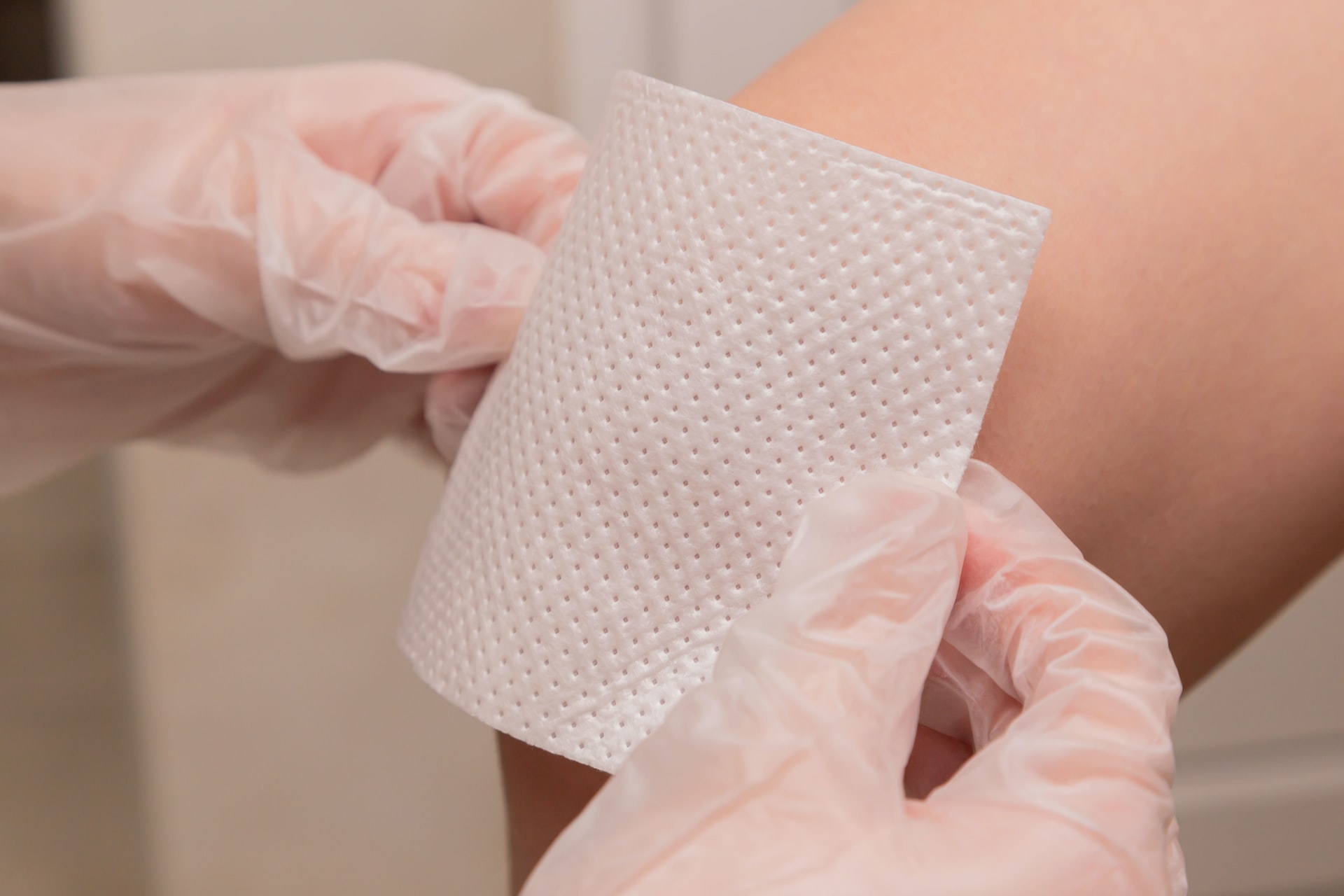
Bandage the chemical burn. Make sure the portion of the bandage touching the burn directly is a dry, sterile, non-adhesive pad, like a Dermanet Wound Contact Layer.
Don’t put any ointment directly onto the burn.
5. Treat Pain & Inflammation
For pain or swelling, apply a cool compress. Optionally, you can also take an oral NSAID, like ibuprofen or naproxen.
Moderate & Severe Chemical Burn Treatment Options
Second and third-degree chemical burns require immediate medical attention. Mayo Clinic’s “Burns: First Aid” can help you determine if a burn warrants emergency action.
Call 911 or seek immediate care for major burns, which:
- It may be deep, involving all layers of the skin.
- May cause the skin to be dry and leathery.
- May appear charred or have patches of white, brown, or black.
- Are larger than 3 inches (about 8 centimeters) in diameter.
- Cover the hands, feet, face, groin, buttocks, or a major joint, or encircle an arm or a leg.
- Are accompanied by smoke inhalation.
- Begin swelling very quickly.
- Poison control if swallowed
- Dilute swallowed chemical by drinking water
In a hospital’s burn unit, chemical burn treatment is typically a four- to six-step process, depending on the severity.
Flushing & Cleansing With Amphoteric Solution
An amphoteric solution neutralizes both acidic and alkaline chemicals. Flushing halts any ongoing contamination. It continues until the area’s pH has returned to neutral.
Specialized Exam Or Imaging
If any amount of the substance has been swallowed, inhaled, entered the eye, or sunk into organ tissues, the medical team will order a specialized exam. Typically, an endoscopy, ultrasound, CT scan, or optometry exam is used to get a more accurate picture of the wound.
Pain Relief, Antibiotics & Hydration
Simultaneously, a burn unit will administer pain relievers orally or intravenously. They also typically administer oral, IV, or topical antibiotics, and they address dehydration with a water or saline IV.
Neutralizing, Protective Wound Dressing
In some cases, doctors may dress a chemical burn with a neutralizing antimicrobial gel, like PRONTOSAN Wound Gel X. It’s an amphoteric cleanser, and it helps keep the wound hydrated as it heals.
Skin Graft
If a chemical burn is severe, medical professionals might treat it with a skin graft. Skin grafts transplant healthy skin over the burn site to speed wound closure.
Most grafts are autografts, meaning the skin is taken from a different part of the patient’s body for transplant. However, grafts of synthetic skin and donated skin are not unheard of.
To facilitate the graft’s adherence, clinicians might apply a Xeroform Dressing. This supports moist wound healing. Follow all of your doctor’s directions regarding dressing maintenance.
Long-Term Monitoring for Complications
Chemical Burns can increase a person’s risk of cancer. Even after the burn heals, it’s important to continually monitor the site and attend follow-up appointments.
How To Treat A Chemical Burn: FAQ’s
Certain questions come up frequently when discussing the treatment of chemical burns.
How Long Does It Take For A Chemical Burn To Heal?
According to the National Institute of Health (NIH), the healing rate of chemical burns varies widely. Per the NIH guide, factors affecting burn healing rates include:
- Burn severity (percentage TBSA and burn depth)
- Concomitant inhalation injury
- Exposure to toxins
- Other traumatic injuries
- Patient age
- Patient’s pre-existing chronic medical conditions
- Drug or alcohol intoxication
- Timing of presentation for medical aid
Nevertheless, burn care organizations offer ballpark estimates of typical healing time by degree of burn.
Superficial, first-degree burns take 7-10 days to heal, on average. Deeper, second dry burns take an average of 2 – 8 weeks (or 14 – 56 days) to heal.
Third-degree burns are much more severe, and they take three months, at minimum, to heal.
How Do You Heal A Chemical Burn Fast?
Chemical Burns vary quite a bit. Burns of different severities, caused by different chemicals, or in different locations, need different treatments.
The best way to speed healing is to follow the advice of the specific medical professional treating your burn.
Keep the burn bandaged as long as recommended. Don’t scratch or pick at the burn as it heals.
What To Put On Chemical Burns?
There are two broadly helpful things to put on chemical burns:
- A cool compress
- A dry (unmedicated / ointment-free) dressing
If you’re using an all-purpose compress, like Flexipac Hot & Cold, be sure to put it in the refrigerator, not the freezer. Or, modulate the coldness of a frozen pack by wrapping it in a thick towel.
You want to apply gentle, cool pressure to the burn, to prevent swelling. A frozen pack could cause problems by interacting unpredictably with the chemically altered skin.
When dressing the burn, make sure to use a sterile wound contact layer, gauze, or bandage that won’t stick to the wound bed. A neutral, unmedicated wound covering, like the 3M Adaptic Touch Non-Adhering Silicone Dressing, can prevent adverse reactions.
How To Treat A Chemical Burn With Protective Spray
Talk to a doctor or Poison Control *before* applying ointment or neutralizer to a chemical burn.
Medical professionals may choose to treat an alkaline chemical burn with a mildly acidic antimicrobial fluid. Sprays like Anasept Antimicrobial Skin and Wound Cleanser have the acidity of saline, and can sometimes be appropriate for cleaning and dressing burns from bleach or lye-based products.
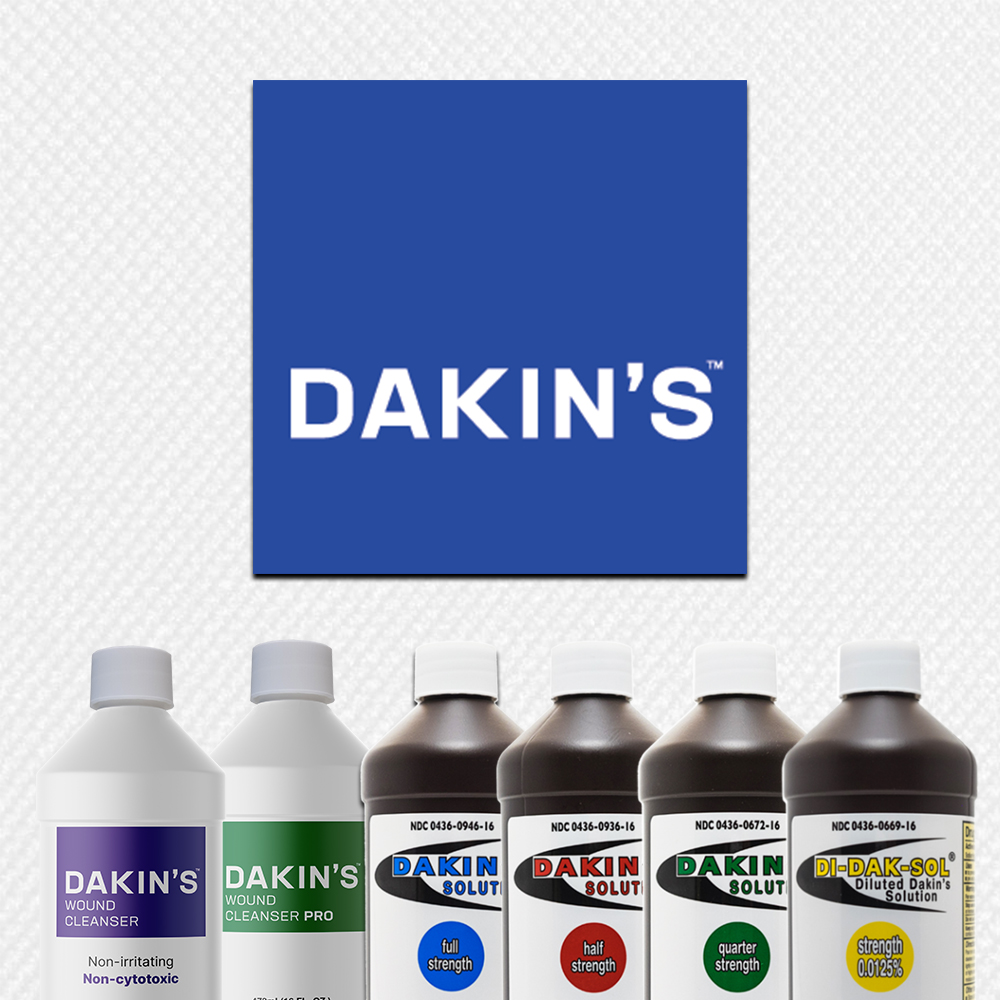
Conversely, an alkaline wound cleanser, like Dakin’s Solution, might be used to neutralize and treat the burn from an acidic chemical.
How To Prevent Chemical Burns
To prevent chemical burns, take precautions. Use these tactics as best practice guidelines.
Choose Safer Substances
Whenever possible, choose low-risk or risk-free substances for cleaning, skin treatments, working with machinery, and craftsmanship work.
- Use multi-surface cleaners and soaps with a neutral or near-neutral, skin-safe acidity level. Look for solutions in the pH 4.5-8.0 range.
- Note: the closest-to-pH-neutral multi-surface cleaning solutions on the market include Mrs. Meyers Clean Day, OdoBan Multi-Purpose Cleaner, and Clorox Citrace Disinfectant (pH ~7.0-7.9).
- Choose oxidizers or alkaline cleansers instead of lipid solvents to clean carpet stains.
- Select less hazardous, non-solvent, and non-corrosive substances for craftsmanship tasks.
- This could include no-VOC leather dyes or polyurethane wood varnish.
Practice Safe Storage
Prevent accidental chemical burns by ensuring all potentially reactive products are stored correctly when not in use.
- Store all chemical products in their original containers.
- Make sure all labels are accurate and easy to read.
- Secure all risky substances with childproof locks
- Return chemical substances to storage immediately after use
Safe Use
The safest way to use a chemical solution is to make sure you’ve got the information you need about it ahead of time.
- Read the label of any substance or solution before use, and follow directions.
- Wear appropriate personal protective equipment when using potentially risky substances. This may include goggles, gloves, and a respirator mask.
- Wear protective PVC or highly resistant polyurethane garments and shoes to prevent injuries from industrial strength acids, alkaline, and solvents.
- Do not mix substances during use.
- Properly ventilate your work area.
Recalls & Warnings
Pay attention to product recalls, warning labels, and hazard guidelines.
- Don’t use any recalled products. Check out the CSPC and Recalls.gov to get updates on recalls.
- Throw out chemical solutions after their expiration dates.
- Take careful note of warnings about flammability, corrosiveness, or other hazardous properties printed on a product.
- Note potential risky drug or topical substance interactions before use.
Treat & Prevent Chemical Burns With Medical Monks
At Medical Monks, we curate our selection of wound care supplies to offer you only the best. Shop for chemical burn dressings today.
If you have any questions or concerns, please reach out! Use our contact page to connect with our team via live chat, text, email, or phone.
Product Solutions
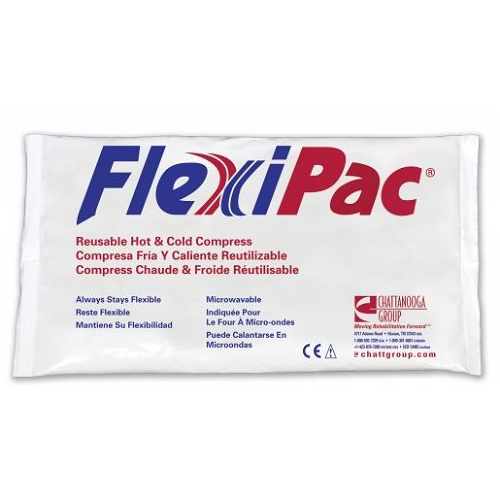
Flexipac Hot & Cold Compress
These individual Hot and Cold Compresses are perfect for use in the ThermaWrap Products (Sold Separately). Easy to use, simply Microwave for soothing heat therapy
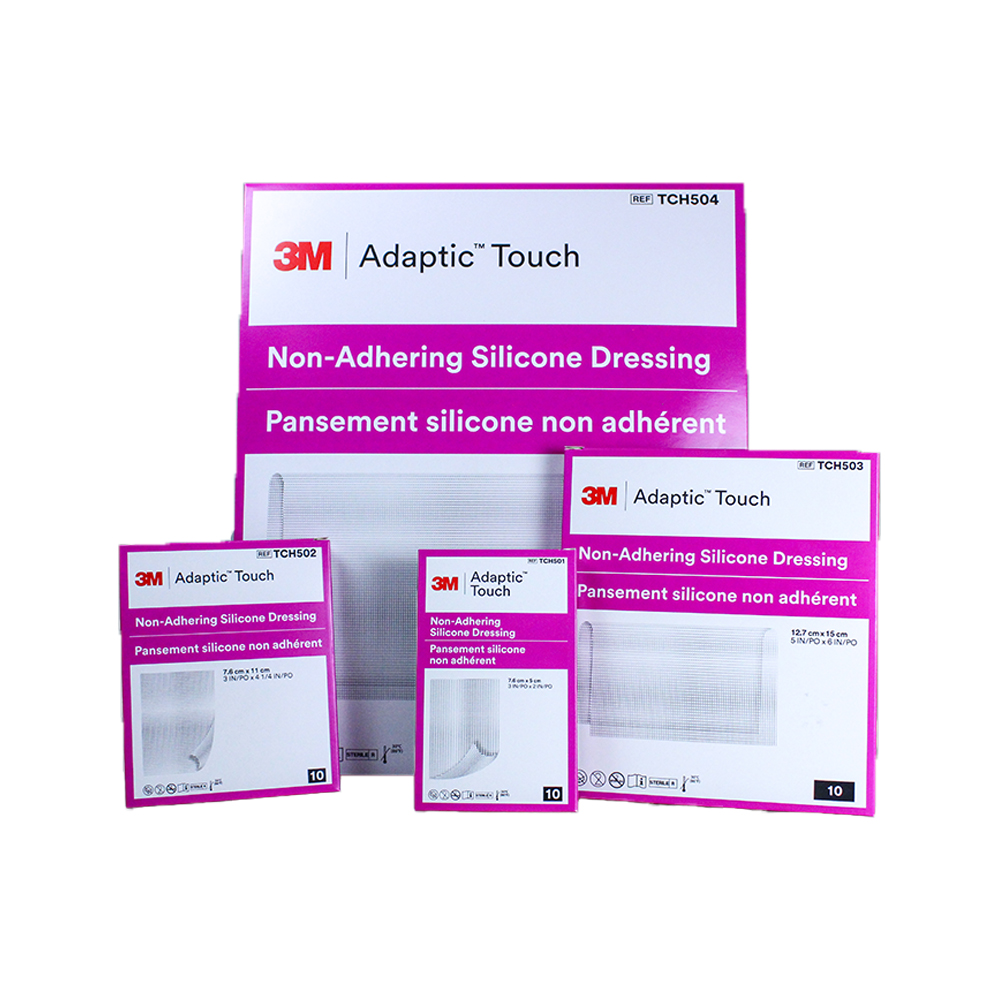
3M ADAPTIC TOUCH Non-Adhering Silicone Dressing
What is it?
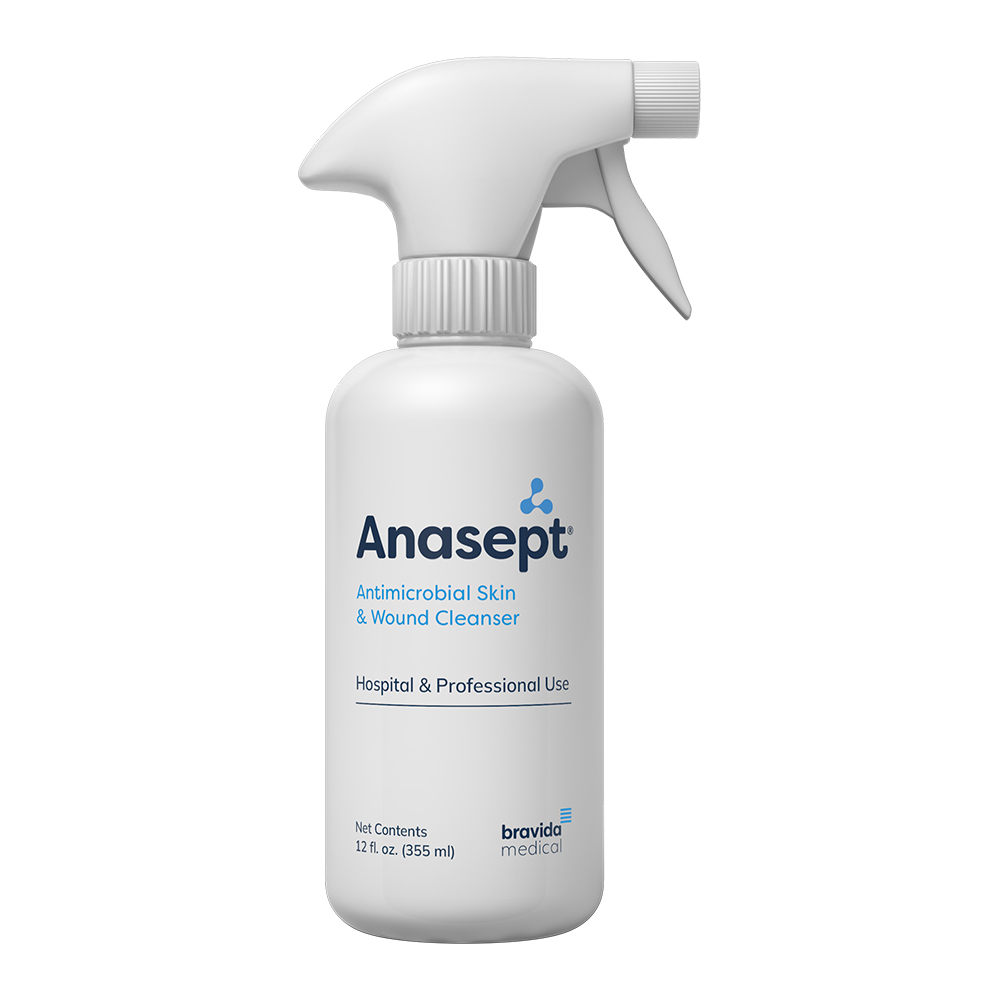
Anasept Antimicrobial Skin and Wound Cleanser – Trigger Sprayer
Designed to remove dirt and other foreign materials from the wound bed, Anasept® Antimicrobial Skin and Wound Cleanser delivers a spray of clear fluid containing
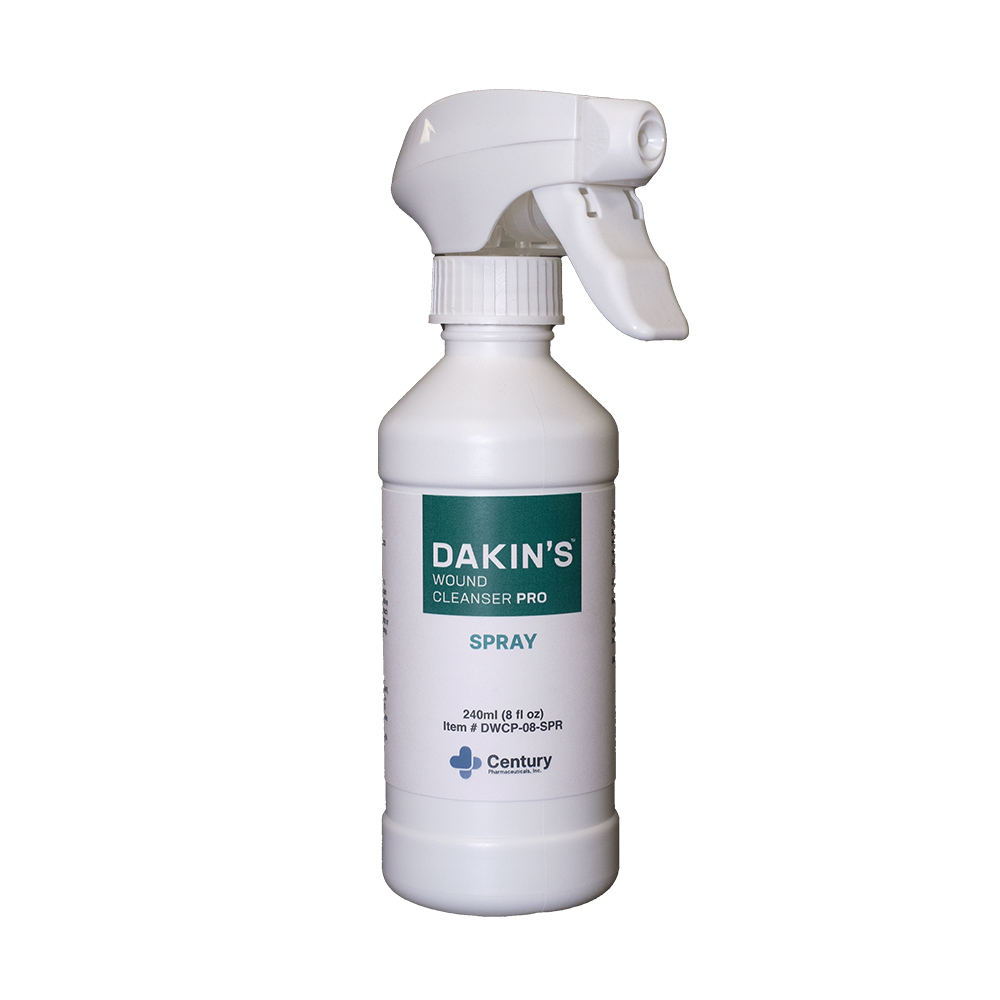
Dakin’s Wound Cleanser Pro Spray
Dakin’s Wound Cleanser Pro Spray (Sodium Hypochlorite 0.125% as solution preservative) uses the same formula and is the same strength as Dakin’s Quarter Strength (including the
Top Related Brands
Related Videos
Related Blogs
How to Manage a Highly Exuding Wound
Exudate management is a key factor in treating patients with hard-to-heal wounds. Exudate plays an

Understanding Wound Drainage in Chronic and Acute Wounds
Acute wounds are the cause of roughly 17.2 million hospital visits, on average, each year
How to Clean and Disinfect a Wound
When a wound occurs – be it a cut, abrasion, laceration or burn – it