
Excoriation is a visible symptom of different skin conditions, including maceration. Understanding the distinctions and relationship between the two problems creates a clearer path for treatment and prevention.
What Is Excoriation Vs. Maceration? Skin Damage Differences
Maceration, the most common form of moisture-related skin damage (MASD), poses a significant risk to people with ostomies, incontinence, and those in long-term care. Over 17% of people with colostomies experience MASD, while hospitals report about 4% of patients have skin maceration upon admission, on average.
Excoriation is a symptom of maceration. It can also stem from pruritus—chronic itch—a condition that just over 7 million Americans seek outpatient care for every year. Pruritus itself is often caused by underlying conditions, like eczema or MASD.
Despite these conditions’ prevalence, determining the best methods of prevention and treatment is still challenging. To effectively address maceration and excoriation, first delve into how each problem works.
Maceration Vs. Excoriation: Definition & Overview
These two types of skin damage are related, but they’re distinct.
What Is Excoriation?
“Excoriated skin is defined as that which has been traumatized, worn away, or abraded, often in the presence of maceration due to incontinence.”
—Bonnie Alvey and David E Beck, Peristomal Dermatology
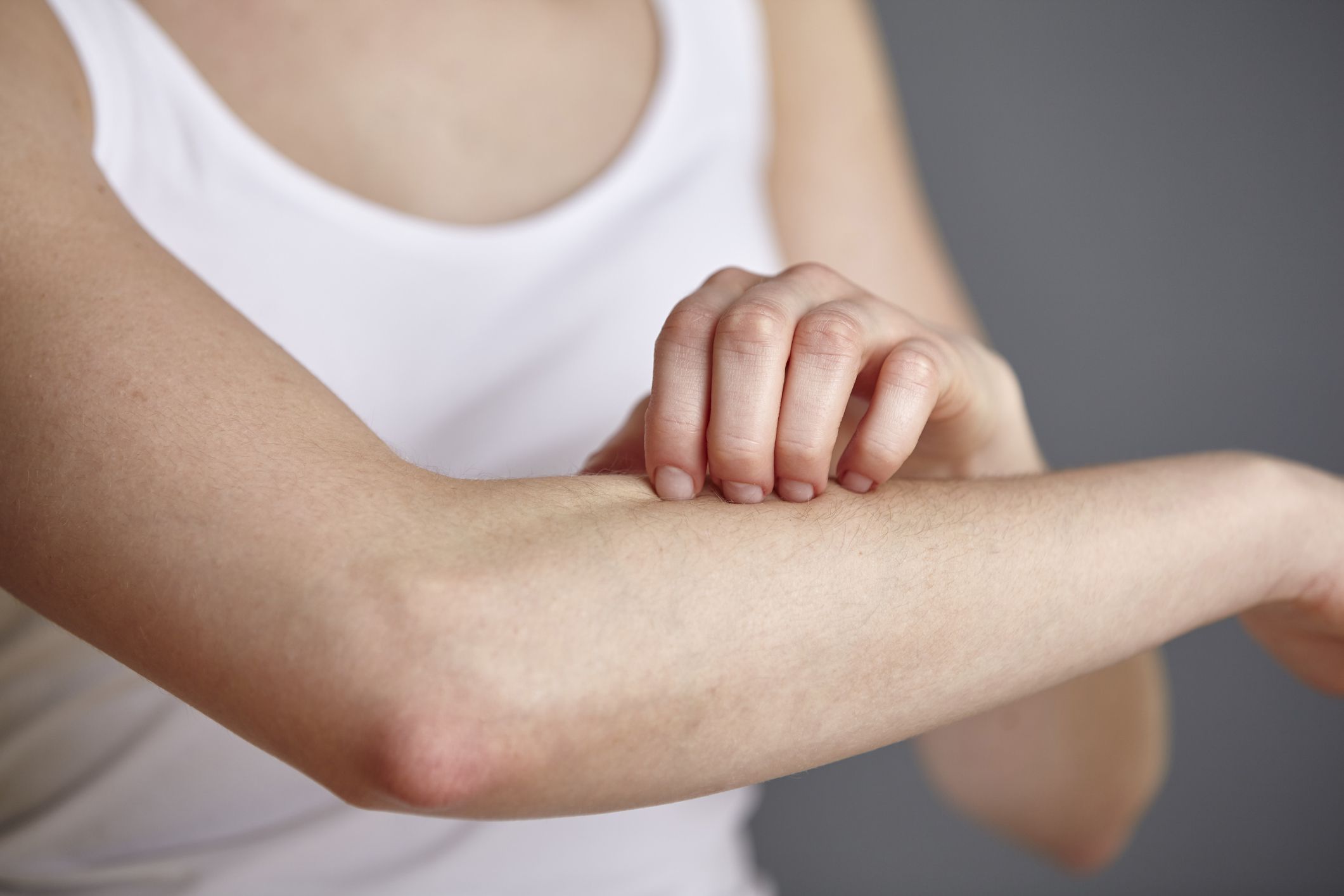
Excoriation is any type of wearing away of the skin. It’s most associated with scratching, either due to itchiness or compulsion. Compulsive skin excoriation, known as “skin picking disorder,” is a psychological condition with varied causes.
More commonly, though, excoriation is not a diagnosable condition in and of itself. Instead, it’s a symptom of one or more underlying problems. Skin typically experiences excoriation from friction, chafing, skin infections, or damage from fluids (like stoma output).
Preventing and treating excoriation is part of caring for skin next to a wound, around an ostomy, or at risk of diaper rash.
What Is Maceration?
“Maceration, definition: A softening and breaking down of skin resulting from prolonged exposure to moisture. Macerated skin becomes soft and wrinkly and takes on a whitish hue.”
—“Maceration,” The Human Phenotype Ontology, National Library of Medicine, NIH
Maceration is the result of hyperhydration of skin tissues. Skin cells over-fill with fluid, without an easy way to release it. This causes them to swell, which degrades and, ultimately, breaks down the skin tissue.
Does Wound Maceration Differ From Skin Maceration?
No. Wound maceration and skin maceration are different terms for the same phenomenon. Regardless of which phrase is used, maceration is the process of skin tissue breakdown due to hyperhydration or long-term overexposure to moisture.
Excoriation Vs. Maceration: Compare & Contrast
Skin maceration and excoriation have different visible signs and symptoms. They have similar underlying causes.
Signs of Excoriation
The key sign of skin excoriation is damage to skin. Skin is worn down or scraped away enough to expose—and, usually, damage—the stratum corneum.
Redness, inflammation, visibly eroded skin, ulcers, stinging, itchiness, and bleeding caused by the breakdown of the surface layer of skin are all signs of excoriation.
Skin Maceration Symptoms
The most notable skin maceration symptoms are changed to the skin’s firmness and texture.
Maceration can cause skin to become too soft, soggy, swollen, or wrinkles. It’s typically paler than the person’s skin usually is.
Maceration makes skin tissues more fragile and prone to breakdown.
Excoriation & Maceration Signify Underlying Conditions
Skin excoriation and maceration are themselves symptoms of an underlying condition.
A person with excoriated skin most likely has one or more conditions causing itchiness, compulsive scratching, or skin fragility. The most common underlying conditions are:
- Xeroderma: dry skin due to hydrolipid deficiency
- Urticaria: a skin rash triggered by allergies
- Eczema: a condition where the skin has an over-active immune response
- Pruritus: chronically itchy skin, often related to another condition
- Incontinence-Associated Dermatitis (IAD): skin damage, irritation, or pruritus of the anus or perineum due to waste (soilage)
A person experiencing skin maceration likely has hyperhydrosis or moisture-related skin damage (MASD): skin damage due to moisture over-exposure
Similar Underlying Causes
Anything causing hyperhydration of the skin can lead to skin maceration. That said, ostomies and Incontinence-Associated Dermatitis (IAD) are fairly common causes of maceration.
In addition, sebum conditions, allergies, and chronic skin infections (particularly fungal) can cause excoriation.
Treat Skin Maceration In the 7 Steps (Best Practices + Products)
In 2017, the journal Advanced Skin Wound Care published “Management of Moisture-Associated Skin Damage: A Scoping Review.” The review details evidence supporting best practices for treating MASD. This section explores the seven essential steps to treatment described in the review.
1. Gently Cleanse Vulnerable Skin
“Wash vulnerable skin with a gentle cleanser with minimal rubbing. Avoid the use of soaps with an alkaline pH.”
The review notes a “surfactant-based cleanser” is most helpful when washing away common skin debris. An antiseptic like Restore Wound Cleanser—which is pH neutral and includes a mild surfactant—is a good option.
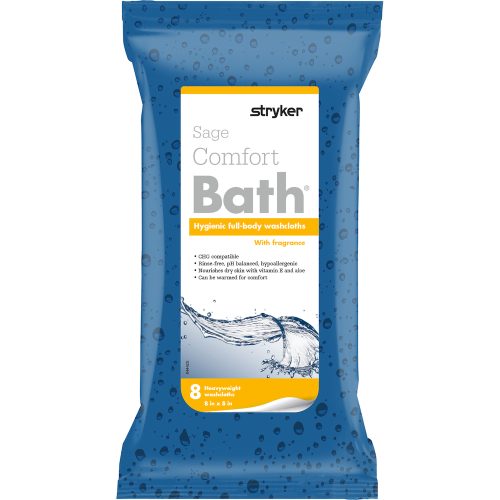
For particularly delicate skin, ph-neutral and irritant-free Bedside-Care EasiCleanse Bath No Rinse Disposable Washcloths are another useful option.
2. Protect Skin By Absorbing Wound Exudate
“Use absorbent dressings for highly exudative wounds and match dressing changes to exudate levels.”
Skin maceration can be caused by excessive moisture from any source. If the source is a wound that’s weeping or oozing onto the skin, it’s useful to apply a dressing designed for exudate control.
The Eclypse Contour Super Absorbent Dressing is particularly effective as absorbing excess fluid from wounds on hard-to-dress body parts.
To prevent maceration while cushioning the wound, Mepilex Border Flex Five-Layer Foam Dressing works. It effectively deals with liquid exudate and vapor while shielding the wound from germs.
3. Use Breathable, Gentle Tape
“Use atraumatic tapes or adhesives.”
Atraumatic tapes adhere to skin without risking injury to the skin upon removal. If fluid starts to build up under the tape, an atraumatic adhesive is easy to lift and reapply.
Certain medical tapes and adhesives increase the risk of skin maceration by preventing natural evaporation, instead trapping moisture from sweat and other fluids against the skin.
Without the ability to evaporate, these fluids hyperhydrate skin cells, softening and weakening the tissues.
Tape pores, like those in 3M Solventum Medipore H Soft Cloth Surgical Tape, reduce maceration risk by making the material “breathable.” They prevent moisture buildup by enabling sweat to evaporate normally.
4. Use Moisture Barriers For Skin
“Apply a barrier to vulnerable skin.”
Skin barriers are semisolid compounds that shield skin from fluids that could cause maceration. They’re often used to protect skin at risk from ostomy fluid, incontinence (“diaper rash”), or a weeping / exuding wound.
Barrier ointments, creams, and pastes form a protective layer over the skin, preventing external fluids from affecting the area. While blocking out excess moisture, they typically include ingredients that promote a healthy, appropriately hydrated environment: neither too moist nor too dry.
Most common are petrolatum-based jellies, like Critic-Aid Clear Moisture Barrier Ointment. It creates a completely watertight barrier with dimethicone. Its simple formula is hypoallergenic, and it’s compatible with a wide range of cleansers and topical medications.
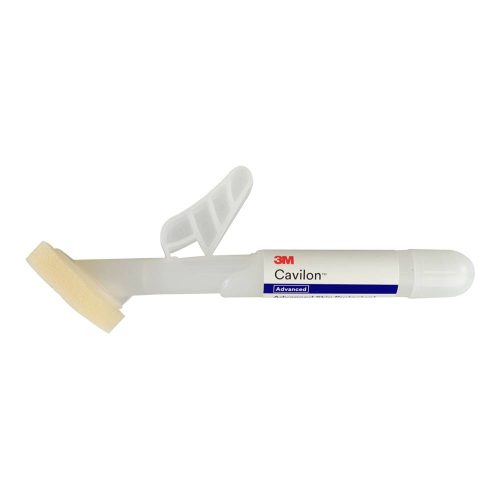
The polymer-based 3M Solventum Cavilon Durable Barrier Cream lasts through several washes, and its fluid-repellant mechanism still lets sweat evaporate. Rather than create a shield on the skin’s outermost surface, it sinks in. It creates a breathable, moisturizing barrier within the epidermis, preventing both hyperhydration and dryness.
Irritated, itchy, or stinging skin may benefit from a protective barrier with soothing, analgesic traits. Pain relieving ingredients can be found in CalaSoothe Skin Protectant Moisture Barrier Cream (menthol), WeCare DynaShield Skin Protectant Barrier Cream (aloe, zinc oxide), and Regenecare HA Wound Care Gel (lidocaine 2%).
5. Fight Infections
“Treat skin infection and dermatitis.”
Infections and inflammation can be underlying causes of recurring skin maceration. Treatment will vary depending on the specific type of infection.
A barrier cream incorporating antiseptic ingredients may be part of effective treatment. Notably, an accurate diagnosis is key to treating skin infections successfully. Moreover, cleansing topical creams are usually combined with prescription oral medications for the best outcome.
For unknown or multi-pathogen infections, Silver-Sept Silver Antimicrobial Skin and Wound Gel can help: it creates a moisture barrier that destroys a broad range of microbes.
Vulnerable skin dealing with fungus may benefit from Baza Moisture Barrier Antifungal Barrier Cream. Bacteria-affected skin is often helped by WeCare Triple Antibiotic Ointment, a medicated petroleum jelly.
6. Check Skin For Signs of MASD Routinely
“Regularly assess skin around wounds and areas that are susceptible to moisture damage.”
Assessing skin near wounds, stoma, or vulnerable to incontinence can be easier with transparent products. See-through dressings, barriers, and tapes reveal underlying skin texture and color at a glance. Observe the early signs of maceration (or lack thereof!) without removing anything.
One well-reputed transparent skin barrier is 3M Cavilon No Sting Barrier Film Spray. It’s a breathable, clear fluid-repellant coating. Likewise, the Comfeel Plus Transparent Dressing makes visible the wound it dresses and its surrounding skin.
7. Improve Skin’s Overall Health
“Promote optimal skin health.”
To keep skin free of maceration long-term, the review recommends applying nutrient-rich moisturizers, which give a boost to the skin’s natural protective barrier layer.
Protectants like WeCare Dynarex Vitamin A & D Ointment infuse petroleum jelly with vitamins and lanolin, delivering restoration and nourishment to skin. Ceramide ointments are also helpful.
How To Treat Skin Excoriation (Action Steps + Supplies)
To treat skin excoriation, it’s important to address both the symptom and its underlying cause.
1. Cleanse The Skin
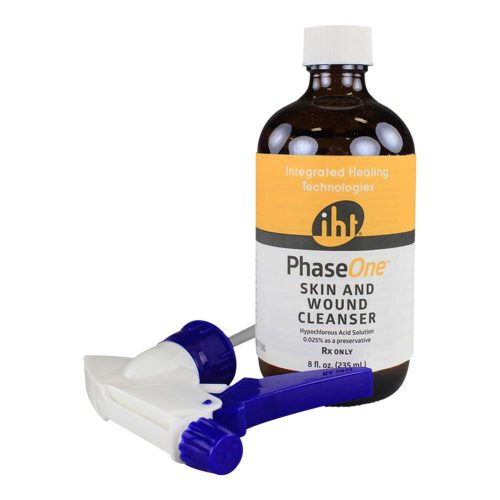
As when treating maceration, the first step is to wash excoriated skin with a gentle cleanser. One convenient option is Brava Skin Cleanser Wipes, which soothe with a vitamin B5 formula as they clean. To clean skin facing an elevated risk of infection, try an antimicrobial like BIAK_S Antimicrobial Skin and Wound Cleanser Spray.
People who are severely immunocompromised, and those in a hospital or long-term care setting, often need to clean skin with chlorhexidine gluconate (CHG) solution. Wipes and sprays like CliniClean 4% CHG Antiseptic/Antimicrobial Solution can kill excoriating pathogens and help improve the skin’s environment.
2. Identify Pressing Symptoms
Assess the excoriated skin for signs of infection and severity indications.
The most urgent symptoms are often itching, bleeding, or inflammation.
2a.) Dress Bleeding Or Broken Skin
If excoriated skin is bleeding or raw, clean and dress the wound according to best practices. The goal of dressing excoriated skin is epithelialization. Epithelialization is the process wherein keratinocytes and fibroblasts (types of skin cells) migrate across the wound to cover it, restoring the skin’s protective barrier and jumpstarting the healing process.
Studies comparing dressings for peristomal skin excoriation, specifically, find certain materials speed healing more than others. When applied to excoriated skin, the following topical options support fast epithelialization and help the skin’s layers heal effectively:
- Aluminum paint
- Betel leaf
- Petroleum jelly
- Petrolatum-based ointments
- Glycerin hydrogels
- Acacia Senegal gum / powder
- Combination 0.2% hyaluronic acid, 1% silver sulfadiazine cream
Not all dressings will be equally effective. It’s important for the dressing to be breathable enough to allow sweat evaporation, while keeping the healing area appropriately moist.
Check out “Four Steps to Excellent Wound Hygiene,” and “Avoiding Infection in Shallow Wounds” for in-depth guidance.
2b.) Apply Itch-Relief & Anti-Inflammatory Creams
Itchy and inflamed skin benefits from specifically formulated topical itch-relief medications. Consider an ointment like Reliefacyn Advanced Itch-Burn-Rash-Pain Relief Hydrogel. The formula’s aloe vera is soothing, while active ingredients like HOCl fight germs that exacerbate the itch.
Alternately, a topical anti-inflammatory like Dynarex Hydrocortisone Cream reduces excoriation symptoms caused by the immune system. They’re known to alleviate redness, swelling, and itchiness.
2c.) Evaluate Treatment-Resistant Skin Excoriation In Greater Depth
Skin excoriation that doesn’t heal in a typical timeline may stem from an as-yet-undiagnosed underlying condition. For example, ongoing peristomal skin exoriation after an ostomy may be refractory peristomal irritant contact dermatitis (ICD). This means the person is having an allergic skin reaction to an implant (like a g-tube), or ostomy pouch materials.
In these instances, identifying the allergen is vital. This can empower the individual to successfully avoid the allergen, or, in more recent cases, take dupilumab to eliminate the allergic response.
In other cases, successfully identifying a fungal or bacterial treatment leads to similarly effective interventions.
3. Are Medical Products or Devices Contributing to Excoriation?
Ostomy wafers, gastrointestinal tubes, and adult diapers can all potentially contribute to skin itching, swelling, breaking out into hives, or disintegrating. Check for potential allergies by running an allergen test or A/B testing hypoallergenic products.
4.Prevent Scrapes, Chafing With Barrier Cream
Scrapes and chafing exacerbate skin excoriation by accelerating skin’s breakdown. Barrier creams shield skin from irritants that cause or worsen the condition.
Any of the barrier creams mentioned in the second on treating maceration can also work to treat moisture-induced skin excoriation. If skin reveals excoriation while dry or flaky, you might benefit from something like Sween 24 Once a Day Cream. The formula is 6% soothing dimethicone, and it lasts all day.
How To Prevent Excoriation & Maceration
Preventing skin maceration and excoriation is a complex task. There are excellend preventative measures, though none work 100% of the time.
In “The Prevention of Peristomal Skin Excoriation,” published in the Journal of Clinical Oncology, Dr. M. V. Phadke details how surgeons can use the Delayed-Primary Self-Maturation technique.
It’s a way to construct a stoma with “360 degree mucosal protection,” effectively preventing dangerous output leakage by using the mucous tube of the colon to form the stoma’s lumen. The mucous tube adds a protective, absorbing layer between the enzymes in the stoma output and the skin.
In the day-to-day, the best ways to prevent excoriation is by addressing underlying causes. This means:
- Clean at-risk skin in accordance with best practices
- Identify and treat conditions like allergies, eczema, or psoriasis
- Monitor skin for signs of rash, infection, or inflammation
- Keep skin appropriately moisturized (neither dried-out nor hyperhydrated)
- Use skin barrier ointments to protect skin from chafing and irritating fluids
Preventing maceration is even more straightforward. Maceration happens when skin is over-exposed to fluid, and moisture builds up inside skin cells.
To prevent this, cultivate an environment for skin with optimal humidity. A maceration-preventing skincare routine includes:
- Applying appropriate moisturizers
- Using fluid-blocking barriers (like petroleum jelly) on skin at risk due to its proximity to wounds, stoma, or incontinence
- Applying treatments for conditions like eczema or hyperhydrosis
- Make sure sweat can evaporate and skin has time to “breathe”
Treat Skin & Keep It Healthy With Medical Monks
At Medical Monks, it’s easy to find the wound and ostomy care supplies you need, 24/7. Shop our online store today.
Questions? Connect with our Customer Care Team: we’re ready to help.

The MEDICAL MONKS STAFF brings to the table decades of combined knowledge and experience in the medical products industry.
Edited for content by JORDAN GAYSO.