
How to Heal Cuts At Home
Truly, anything can happen at home, and simple cuts are an unfortunate part of life that most could do without. Small cuts can happen at a moment’s notice, leaving you or a loved one scrambling to fix this problem before it grows into something more complex. Learning how to heal cuts at home can help you and your family live a happy and healthy life, without having to visit a local hospital or clinic.
Learn how to treat minor cuts and scratches at home, entirely for yourself, including how to properly clean, dress, and monitor cuts to ensure you can remain resilient to small accidents that do not require specialized care. Explore simple and safe first-aid steps for treating and healing cuts entirely at home, and learn how to properly dress cuts as they arise.
This simple first-aid knowledge can help you avoid costly mistakes, including the possibility of infection or significant pain.
Why Proper Treatment of Cuts Matters
Cuts can happen for many different reasons, either in the kitchen, while working on a lawnmower, or simply handling paper. Truly, small cuts can happen out of nowhere, and everyone should be equipped with basic first-aid knowledge that can help promote a quick and easy healing process. With these simple steps, you can ensure your cut heals properly without serious complications. Further, learn how to notice the signs that you should seek additional medical attention.
Learn how to properly treat cuts at home and avoid the possibility of significant scarring or infection. The truth is that even a small, simple cut can turn into a complex and painful matter without the right treatment methods. Use the information below and avoid health complications attributed to small cuts that can grow into especially complex matters.
First Steps: Cleaning & Stopping Bleeding
For small cuts, begin by thoroughly washing your own hands before handling the cut in any way. Infections can occur in a matter of seconds, and your first step towards avoiding such complications is to wash your own hands with hot, soapy water.
Then use warm water to gently rinse away dirt or other debris from the cut itself. Clean the cut as best possible to help avoid infection. Next, use a damp cloth to gently wipe the cut, being careful not to damage the skin or worsen the cut.
Should your cut be bleeding, use a damp cloth and apply pressure until the bleeding stops. In some cases, if the cut is on the arm, lifting the arm in the air may help reduce or stop bleeding. Applying a disinfectant is also an option if there is a concern for infection.Dressing & Protecting the Cut
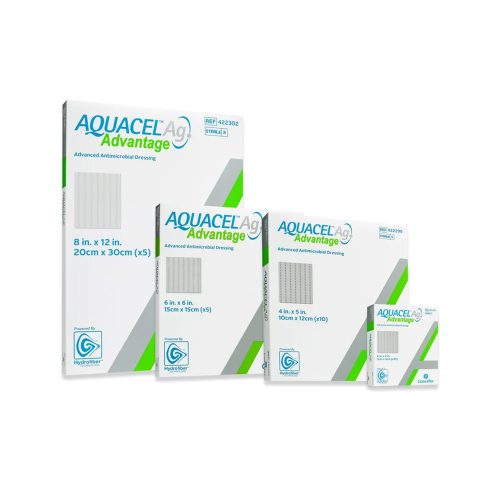
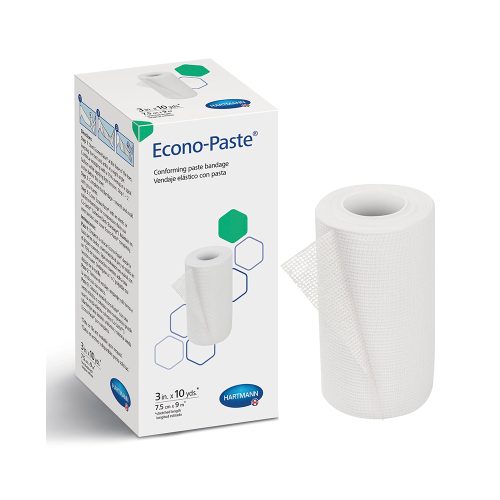
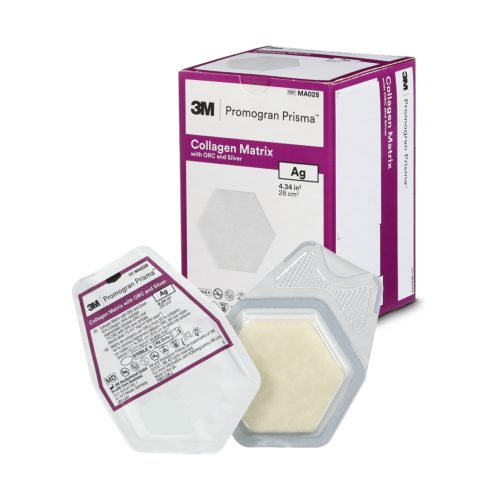
After the bleeding has stopped, apply a bandage or dressing directly to the cut itself. Firmly press down and, if needed, apply adhesive tape. Some bandages are adhesive and do not require additional tape.
Ensure the cut is clean before applying any kind of bandage or dressing. A clean wound will help to avoid infection during the healing process. Some cuts may call for you to redress or apply a new bandage once a day. Continue to monitor the cut and redress the cut as needed. Ensure the bandage is properly fitted to the cut itself and that the entire area is protected.
Tips to Heal Cuts Fast
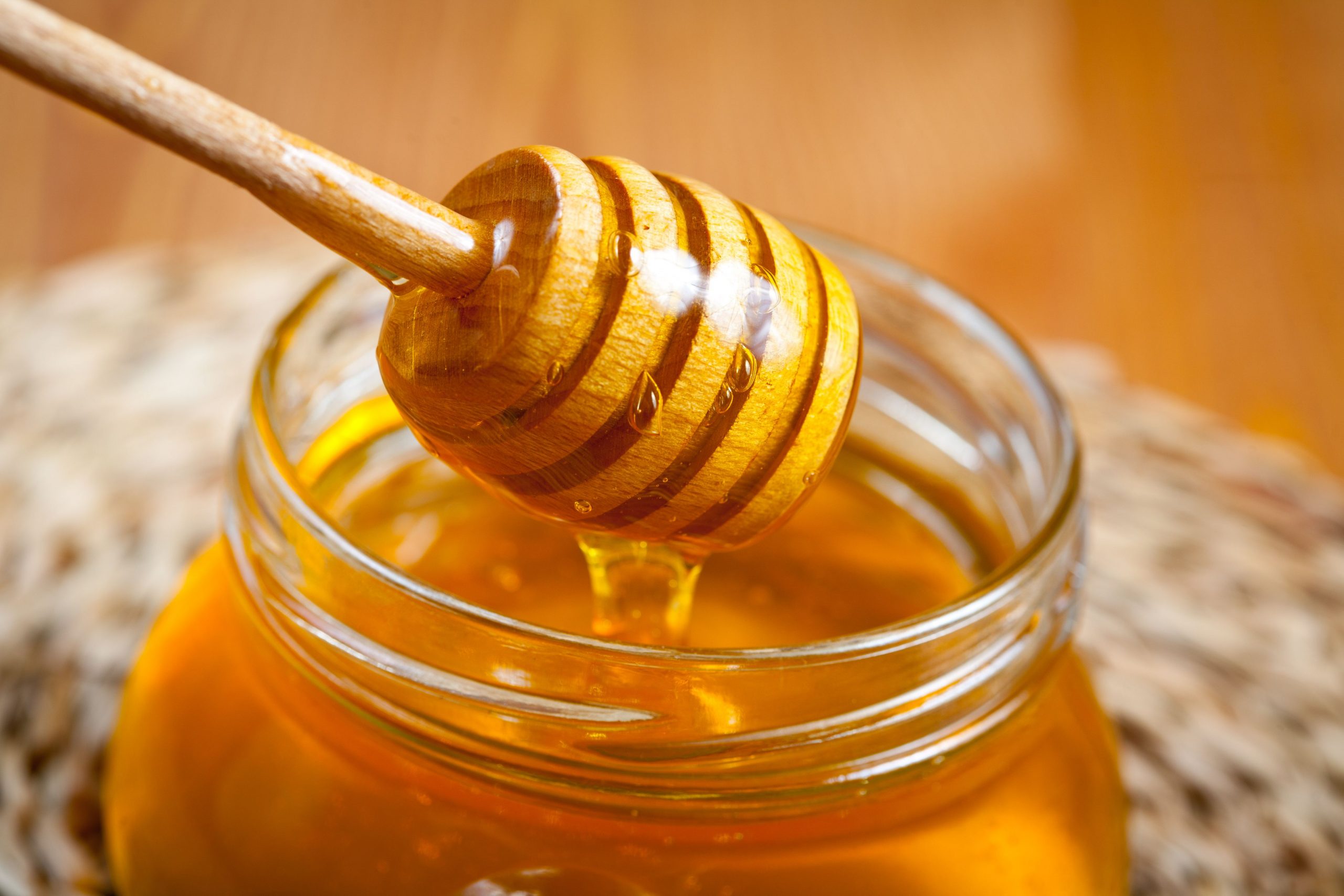
Cuts can heal quickly, or even overnight in some situations. Medical honey can be applied to help the cut heal faster, creating a moist environment that promotes greater healing, but also offering antibacterial properties. Never pick at or scrape any scabs that develop, and change the bandage or dressing once a day.
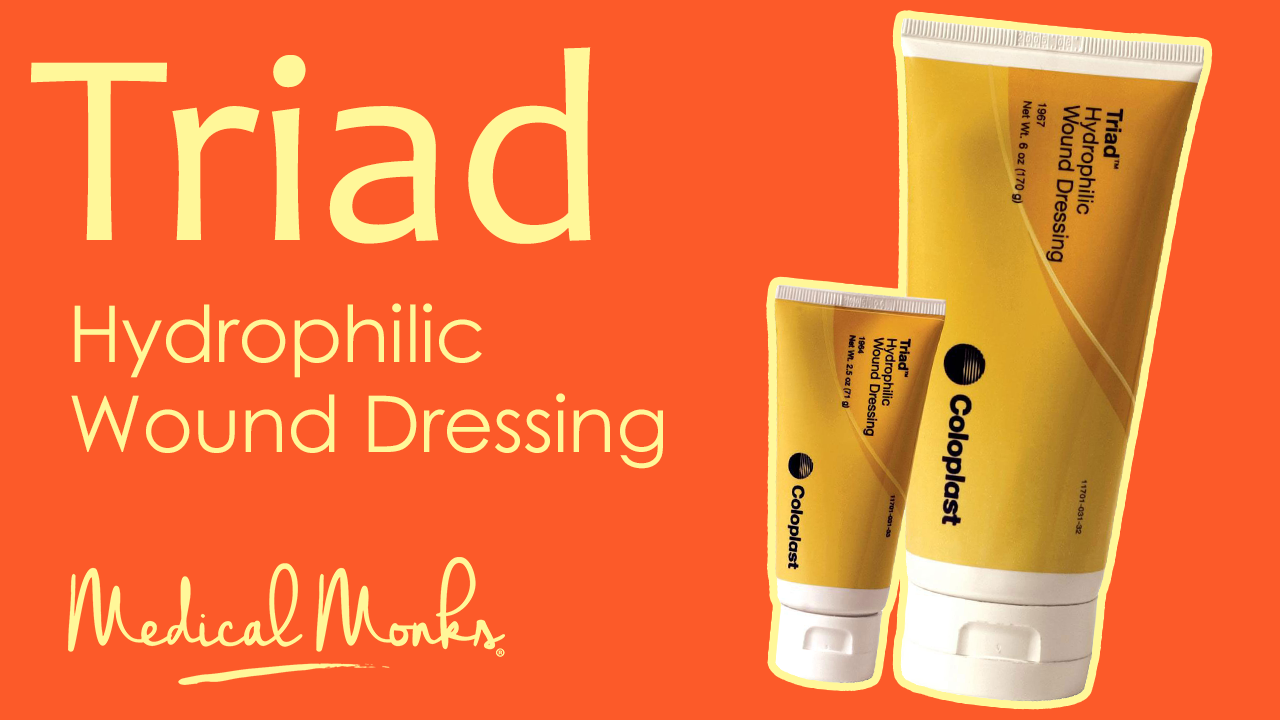
Remain dedicated to keeping the cut properly covered with a bandage and ensuring that the healing area remains moist throughout the entire process. Wound dressing is critical to ensure proper healing, so ensure you understand how to properly dress a cut or wound. By remaining consistent with proper dressing and using products like medical honey, your cut could heal quickly.
Deep Cuts & When to Seek Medical Care
Deeper cuts on fingers or other parts of the body may continue to bleed and require additional attention at a hospital or clinic. Should you experience a deep cut, wash your hands before cleaning the area and then apply pressure alongside a bandage or dressing. Hold the dressing in place for several minutes and carefully monitor to see if the bleeding has stopped. Continue to apply pressure and redress the cut as needed.
Should a cut continue to bleed heavily after applying pressure, seek out additional medical attention. Speak to a qualified healthcare provider if you are unsure if your cut requires additional medical attention. Some severe cuts or wounds won’t heal properly without specialized attention from a healthcare provider. If you are ever unsure, err on the side of caution and speak with a qualified healthcare professional. While many cuts can be treated at home, some cuts are best taken care of alongside a healthcare professional.
Watch for Signs of Infection
Dressing a cut is just the beginning, and you will need to pay careful attention to signs of infection. Ongoing redness, inflammation, or severe pain may call for you to visit a hospital or healthcare facility. Should your cut turn yellow or include the creation of pus, it is possible that the cut has become infected. Any sort of green or yellow crust forming around the surface of the cut is also a likely sign of infection.
Should your cut not heal and continue to show signs of infection, speak with a doctor directly. Any sort of strange odor is likely a sign of infection as well. Carefully monitor any cut you suspect to be infected.
Take Even Small Cuts Seriously
There are so many instances where a small cut could have healed properly with some simple at-home treatment methods. Small cuts can be treated at home, but infections are still possible. Never leave your health and wellness to chance; take even the smallest cuts seriously to ensure you avoid infection. Small cuts can grow into complex medical problems, and it is important to quickly address a cut before it is too late. Should you fail to properly address a cut, it can quickly turn into a very expensive medical problem that could have been avoided entirely.
Medical Monks maintain a collection of solutions for cuts and wounds of all shapes and sizes. Explore products like medical honey, wound dressings, and so much more. Visit the Medical Monks online store to learn more, and visit our blog for more helpful information about wounds of all kinds.
Follow along on the most popular social media channels to learn more about Medical Monks.

The MEDICAL MONKS STAFF brings to the table decades of combined knowledge and experience in the medical products industry.
Edited for content by JORDAN GAYSO.