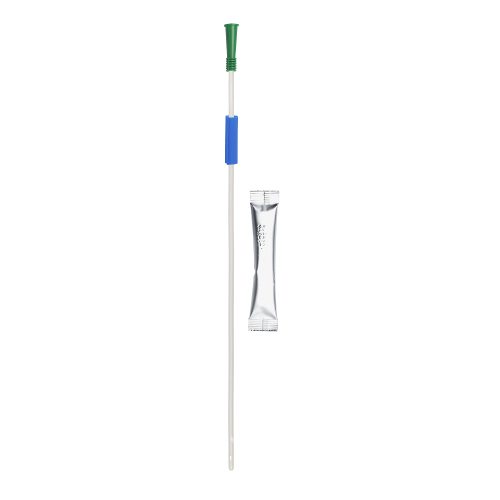

Catheters are important tools used by medical professionals to help patients properly urinate when they are unable to do so themselves. They are used in endless different medical scenarios. Healthcare professionals and students can learn how to insert a catheter for themselves. Medical Monks’ online resources can help you better understand the process and ensure the process is completed as safely as possible.
Learn more about the varieties of catheters available, but also read on for a step-by-step guide that is suitable for students or professionals wanting to learn more about catheter insertion. Explore cautions and learn about how catheter insertion differs between men and women.
What Is a Catheter & When to Use It?
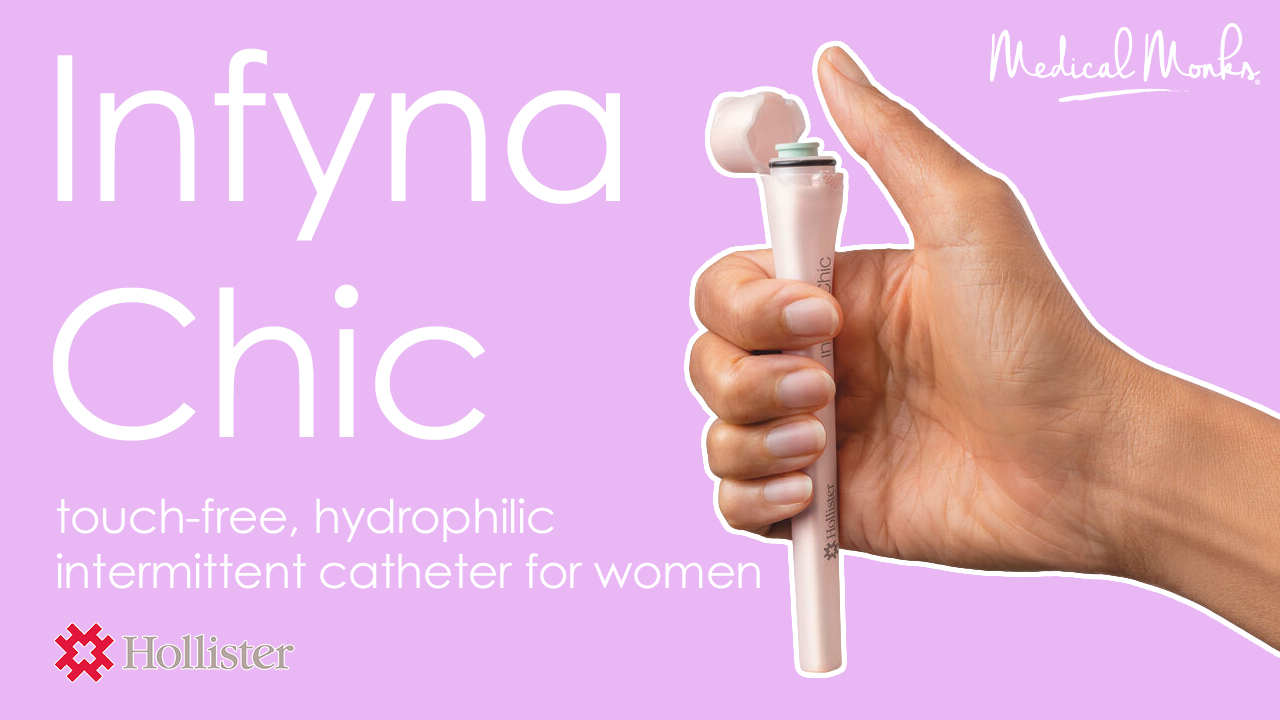
Catheters are used to help an individual drain urine from the bladder. In cases where someone is unable to urinate for themselves, a catheter can help facilitate the process. Many medical conditions call for the use of a catheter, which can be used by both men and women. Typically, a catheter is a small rubber tube designed to pull or drain urine from the bladder. They come in many different varieties and are sometimes used intermittently to help an individual urinate, or are left inside the body for longer periods of time.
Catheters are helpful for those who are unable to urinate on their own, either because of serious injury, surgery, or sometimes to collect a urine sample. Sometimes individuals with an enlarged prostate will need to use a catheter to help make urination easier.
Preparations Before Catheter Insertion
For students and healthcare professionals who wish to prepare to insert a catheter, a sterile and clean environment is of utmost importance. Bacteria can be easily transmitted should you fail to properly wash your hands, wear gloves, and meticulously clean the insertion area before insertion. Catheter infections are possible, and the results can complicate the health of your patient.
Always insert a catheter in a remarkably sterile environment, free from bacteria. Dispose of any supplies that have come into contact with unsterilized equipment or surfaces.
Learn more about catheter infection possibilities.
Step-by-Step Foley Catheter Insertion
Use this simple guide to learn more about how to insert a catheter.
Step 1. Carefully clean your own hands and put on sterilized gloves. A sterilized environment is very important as well, and touching any part of the catheter tube without gloves could result in the transmission of bacteria into the patient.
Step 2. Request that the patient lie on their back. Ask if the patient is comfortable prior to insertion.
Step 3. Clean the genitals carefully and thoroughly with antiseptic wipes or swabs. Use gentle curricular motions to ensure the area, for men and women, is fully cleaned and sterilized. Discard wipes after use.
Step 4. Use the provided lubricant found within the catheter kit and apply it thoroughly to the catheter itself. For female patients, the labia will need to be opened prior to insertion.
Step 5. Gently insert the catheter into the urethra and carefully slide it in until the urine begins to flow out of the catheter. Typically, the catheter will need to be inserted one or two inches into the bladder.
Step 6. Use the provided syringe and begin to carefully inflate the balloon with sterile water. Carefully and gently pull back on the catheter itself until there is some resistance, which will secure the catheter in place.
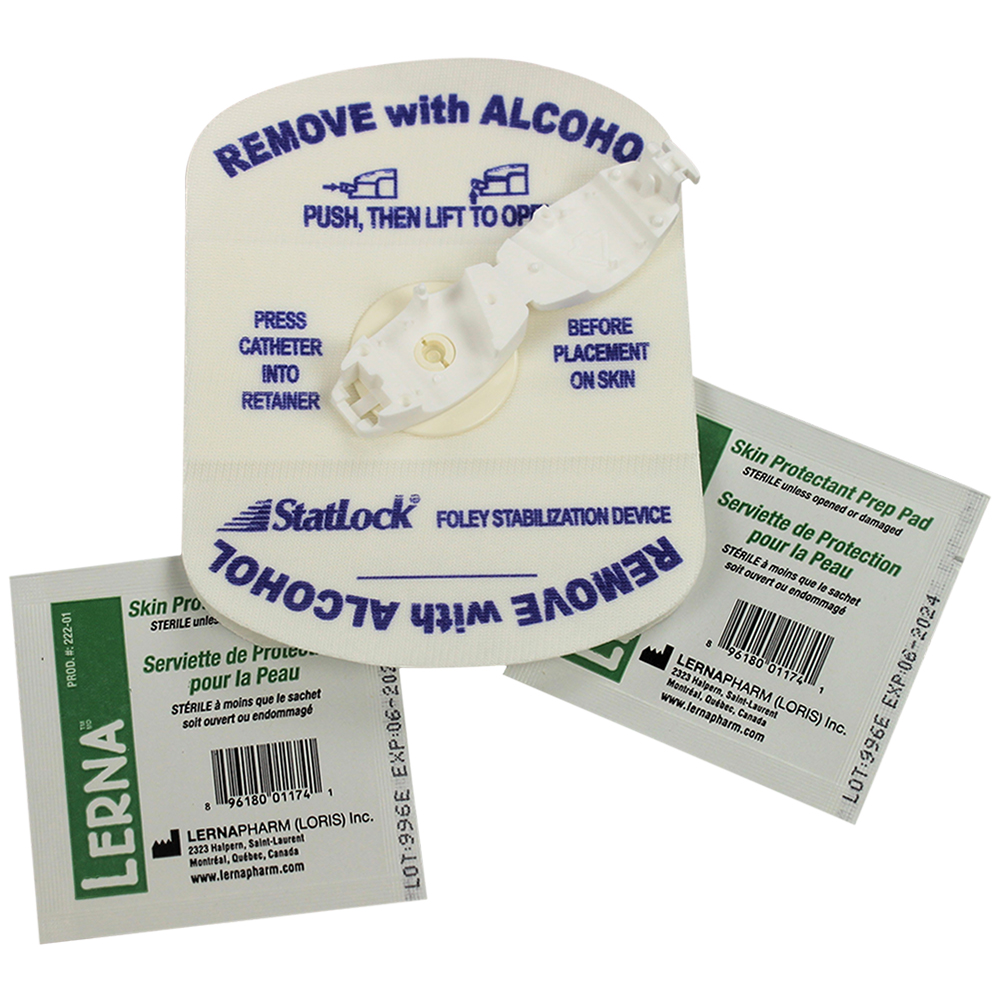
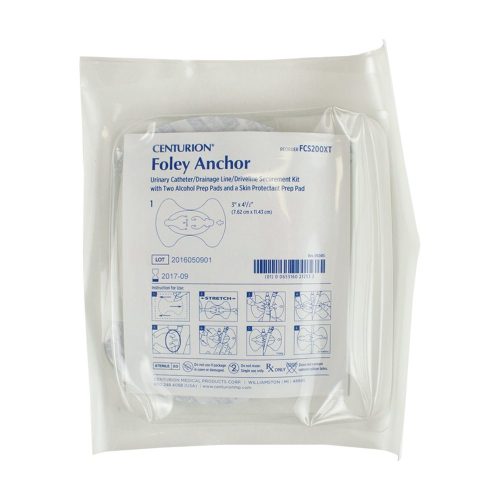
Step 7. Connect the provided drainage bag and then place it below the patient’s bladder. Then, use the securement device to hold the catheter in place. Alternatively, medical tape can be used to keep the catheter in place.
Step 8. Ensure that the patient is comfortable after catheter insertion. Carefully clean any work surfaces and dispose of any used materials. Carefully wash your wands after the process is done.
Catheter Insertion Differences: Male vs Female
There are differences between men and women, specifically in regards to the size of the urethra. Women have shorter urethras, often around 6 inches, while a man’s urethra can be more than double in size, sometimes up to 16 inches in length. There are catheters specifically made for men or women.
Further, catheter insertion for women is known to be more difficult due to anatomical differences. Identifying the entrance of the urethra can be challenging, and the labia will need to be maneuvered in order to complete the process properly. Never, under any circumstances, use a man’s catheter on a woman, and vice versa. Find catheter kits that are suitable for the individual patient prior to usage.
Quick Note: Straight Catheter Insertion
For men, the insertion length is likely to be between 7 and 9 inches. Women have shorter insertion lengths.
Catheters have different dwell times, that is, how long they can remain in the body. Foley catheters, or indwelling catheters, can dwell within the body for up to 12 weeks, while external catheters may need to be changed daily.
Straight catheters, or sometimes referred to as intermittent catheters, will need to be changed more frequently, sometimes within a 14-day period. Depending on the patient’s needs, dwell times could be different.
Safety Tips, Cautions & Maximum Time Limits
A sterile environment can prevent complications before they occur and ensure that bacteria have not made their way onto the genitals or into the bladder. Create a sterile environment, using antiseptic swabs and gloves to prevent the transmission of bacteria. Ensure the catheter itself is sterile as well.
Ensure that the patient is comfortable and use catheter lubrication to help make the process as comfortable as possible. Never use an incorrect catheter size. As for time limits on catheter use, it will be dependent on the catheter itself and the patient’s needs. Ensure you are using the correct catheter kit prior to use.
Foley catheters are short-term catheters, sometimes only used for hours or two days at a time. Straight catheters or Foley catheters are designed to be used for longer periods of time, and will need to be changed roughly once a month. The materials used in catheters can degrade, so use caution and follow guidelines appropriately. Learn more about how to find the right catheter.
Learn More From Medical Monks
Browse the online Medical Monks blog suitable for nurses, medical students, or healthcare professionals wishing to learn more about catheters and so much more. Our online medical supply store is your destination for catheter kits that can help you ensure a sterile, safe, and comfortable experience for your patients. Browse our products and find exceptional medical supplies for any occasion, including catheter kits and supplies that can help you create a safe and sterile environment. Our products are delivered directly to you across the United States of America.
Check back regularly for more information and follow along directly through the most popular social media channels. Have more questions? Reach out to us directly and contact Medical Monks online.

The MEDICAL MONKS STAFF brings to the table decades of combined knowledge and experience in the medical products industry.
Edited for content by JORDAN GAYSO.