
Since its discovery over 200 years ago, hydrogen peroxide (H₂O₂) has been a popular household product.
Yet, this common cleanser has hidden complexities.
Should You Use Hydrogen Peroxide On Wounds?
What to know about H₂O₂ cleansers
You might’ve noticed it as the active ingredient in tooth whitening gels. Or, maybe you have some in your kitchen handy to clean countertops: useful when you need something tougher than dish soap, but less intense than bleach.
But should you put hydrogen peroxide on a cut?
Depending on where you grew up, you might have memories of doing exactly that. In decades past in the U.S., using hydrogen peroxide on cuts or wounds was commonplace.
For some, it’s a memorable part of childhood summers. You scrape your knees when playing outside, skidding into dirt or gravel. You come back in to get bandaged up. Then, your grandma reaches for that brown bottle: hydrogen peroxide.
Dang if it didn’t sting! But the sting just means it’s killing the germs…right?
So, why don’t you see H₂O₂ in first aid kits much anymore?
Well, the quick answer is, health organizations say “don’t do it.” Instead, groups like the CDC recommend cleaning cuts and scrapes with regular soap and water. H₂O₂ isn’t necessary.
Moreover, evidence is mounting that it’s not just pointless: it’s unsafe.
In addition to advising people to clean typical cuts with regular soap and water, in 2009, the World Health Organization (WHO) started specifically warning against the use of hydrogen peroxide on wounds.
But why?
In this FAQ, the wound care professionals here at Medical Monks answer that burning question–and more.
Learn how hydrogen peroxide works as a disinfectant, what can make it unsafe, and which alternative wound cleansers could work better for you.
What Is Hydrogen Peroxide?
Hydrogen peroxide’s popularity stems from its function as a liquid cleaner. As an oxidizing solution, it can be an effective disinfectant.
It is also less expensive than benzalkonium chloride (i.e., Lysol), and it’s safer than bleach.
Hydrogen Peroxide’s Chemistry
Hydrogen peroxide is a liquid solution of H₂O₂: two hydrogen atoms and two oxygen atoms combined in a single molecule. Chemically, hydrogen peroxide is water, if each water molecule bonded with an additional oxygen atom.
The extra oxygen atom makes H₂O₂ an “oxidizing agent,” a category that also includes other cleaning products like Clorox Bleach (NaClO).
Yet, while they’re both oxidizers, bleach and H₂O₂ work in slightly different ways.
How Does Hydrogen Peroxide Work?
H₂O₂, like most oxidizers, has antiseptic properties.
Oxidizing agents can kill germs and clear away stains through an oxidation–reduction (redox) reaction.
A redox reaction is a molecular transformation. It’s caused by the interaction of the “extra” oxygen atoms in the cleanser’s molecules and certain other molecules (like those in many bacteria or coffee stains).
The interaction causes an instant chemical change, pulling electrons away from the molecules in the stain or germ.
Losing these electrons changes the “oxidation state” of the molecules. This, in turn, destabilizes the entire structure of the pathogen / stain.
In many cases, that destabilization alone is enough to cause the substance to wholly disintegrate. Disintegration dissolves the stain and kills the bacteria.
The Chemistry of H₂O₂ Foam
The redox reaction releases bubbles of oxygen and other gases under the fluid’s surface. This is why H₂O₂ fizzes and foams when cleaning.
It’s also why using hydrogen peroxide for wounds causes them to sting
What Made H₂O₂ A Popular Cut Cleanser? Advertising
The commercialization of hydrogen peroxide was incredibly successful. By the mid-to-late 20th century, it was a standard household cleaner–for laundry stains and cuts alike.
Of course, the marketers had some points in their favor. H₂O₂ was safer than bleach, cheaper than Lysol, and its effectiveness as a cleanser seemed intuitive, obvious.
Here’s how the solution became a traditional favorite for at-home wound care.
Invention & Marketing
While hydrogen peroxide was discovered in 1799, it wasn’t widely sold until 1908. Before that, it was primarily manufactured for specialized chemical processes.
Chemical companies and local pharmacies collaborated to kick their marketing machines into gear. If the average American wondered, “Is hydrogen peroxide good for cuts?” They wanted the answer to be a resounding, “yes!”
In 1908, industrialists in Austria discovered how to stabilize and mass-produce H₂O₂ commercially. They quickly began creating products in different concentrations, marketing them for diverse uses.
This 1909 ad promotes a high, 25% concentration of hydrogen peroxide for “personal” and “medical” use [source].
Notably, hydrogen peroxide was marketed as medicinal before the Federal Trade Commission Act, outlawing false advertising, was passed in 1914.
Eventually, medical and consumer protection investigations determined these high concentrations were risky and should only be used in industrial food processes or dentistry. But, 3% hydrogen peroxide was deemed safe enough for everyday use.
It didn’t hurt that the marketing reflected people’s intuitive impressions. The peroxide foaming on a scrape felt like it was pushing away dirt, and the sting must mean it’s killing the germs.
Those impressions weren’t wrong! Unfortunately, the sting also means it’s killing healthy cells right along with them.
Hydrogen Peroxide Vs. Bleach
Notably, not all risks are equally severe.
Contributing to hydrogen peroxide’s booming popularity was its obvious relative safety compared to the other popular household cleanser: bleach.
Hydrogen Peroxide Vs. Bleach
While both H₂O₂ and bleach are oxidizing agents, bleach poses a greater risk to health.
Bleach Fumes Can Be Deadly
When bleach breaks down stains, one of its byproducts is chlorine dioxide. Chlorine dioxide fumes can be dangerous if you inhale too many of them.
It’s crucial to properly vent a space when cleaning with bleach. While the most common negative effects are respiratory distress, eye pain, and migraines, hospitalizations and even deaths from bleach fume inhalation aren’t unheard of.
Household Hydrogen Peroxide Is Much Safer
In contrast, H₂O₂ breaks down into water and oxygen. The latter can be unstable (flammable).
But, fortunately, there are no recent records of hospitalizations or deaths from the use of 3% hydrogen peroxide (the standard household concentration).
In fact, 3% hydrogen peroxide tends to have very few harmful effects even when accidentally swallowed by children. An analysis of ER records showed over 85% of kids who accidentally ingested household H₂O₂ had no symptoms, while 14% had acute, mild stomach inflammation and abdominal pain.
Safer Doesn’t Mean 100% Safe For All Uses
While safer, it’s noteworthy that, in the analysis of children accidentally swallowing hydrogen peroxide, 0.2% did face urgent, life-threatening symptoms.
Ingesting any oxidizing agents, including hydrogen peroxide, can cause an air-gas embolism. An air-gas embolism is when a bubble of air enters the bloodstream. The bubble then blocks a vein or artery, cutting off blood flow to vital organs: a deadly situation.
The human body also contains some hydrogen peroxide naturally. It’s a byproduct of the mitochondria in our cells.
But, if too much H₂O₂ accumulates in our cells (usually due to an enzyme problem), that can be dangerous.
That’s part of the reason why medical professionals started recommending against putting hydrogen peroxide on wounds.
Wound Care Experts Don’t Use H₂O₂. Here’s Why.
Medical professionals across the board agree: don’t use hydrogen peroxide to cleanse cuts or wounds.
In 2009, the World Health Organization began recommending against using H₂O₂ in wound care. In Wound & Lymphoedema Management, the WHO explains how “Hydrogen peroxide can harm healthy granulation tissue and may form air emboli if packed in deep sinuses,” making it a poor choice of cleanser.
The American Society of Plastic Surgeons agrees. In its official first aid guide, the ASPS writes, “Damaging nonwater liquids such as alcohol or undiluted hydrogen peroxide can kill tissue and should not be used to wash an open wound.”
Similar advice is given by world-renowned hospitals, including:
- The Mayo Clinic. “Don’t use hydrogen peroxide or iodine. Both can irritate wounds.” [source]
- Cleveland Clinic. “Studies have found that [hydrogen peroxide] irritates the skin. It may prevent the wound from healing, doing more harm than good.” [source]
- Johns Hopkins Medicine. “Avoid using hydrogen peroxide, which can be harmful to healing wounds.” [source]
Irritation and harm are good reasons to avoid it. But what’s the science backing these health organizations’ advice?
Why Is Hydrogen Peroxide Bad For Wounds? Deep Dive
The bubbling redox reaction lets H₂O₂ kill germs. But, the problems it causes outweigh its benefits.
In this deep dive, explore the evidence behind the top ten reasons why not to use hydrogen peroxide on wounds.
1. H₂O₂ Damages Fibrin Fibers & Healthy Tissues
Fibrinogen cells, fibrin fibers, and fibrin clots are foundational to wound healing. In the medical materials engineering guide Advances in Fibrin-Based Materials in Wound Repair: A Review, Dr. Ilker Bayer explains why these cells are “key players”:
“They literally serve as scaffolds for tissue regeneration and promote the migration of cells, as well as the ingrowth of tissues. Fibrin is also an important modulator of healing and a host defense system against microbes.”
This is why H₂O₂’s effect on fibrin is so concerning. Studies show hydrogen peroxide “degrades” fibrin clots. It also reduces fibrinogen “fibre size and branch point density” on contact.
Breaking down or diminishing fibrin impairs it, making it harder for those cells to perform their vital healing functions.
2. Hydrogen Peroxide’s Sting Can Trigger a Damaging Stress Response
The sting of hydrogen peroxide’s redox reaction is its most memorable trait. It’s also one that causes problems.
Wound pain—including pain caused by stinging solutions—triggers physiological stress responses. A recent, comprehensive study demonstrates stress responses to pain slow wound healing, regardless of the pain’s cause.
3. H₂O₂ Increases Inflammation
The link between hydrogen peroxide and inflammation is well established. It’s naturally produced by white blood cells to kill germs, and it’s a natural byproduct of mitochondria.
In 2017, researchers investigated H₂O₂ for its potential to enhance the body’s immune response.
While they determined it could potentially help treat a compromised immune system in the future, the scientists also cautioned that its effect on the immune system is a double-edged sword.
Hydrogen peroxide accelerates and increases inflammation. As the researchers explain, “H₂O₂ is able to enhance the expression of inflammation-related genes and the synthesis of proinflammatory cytokines.”
Inflammation traps germs and toxins to prevent them from spreading. It draws more oxygen-rich blood—filled with your immune system’s white blood cells—to the site. It also jumpstarts the full immune response.
Yet, inflammation is also painful. Moreover, too much inflammation can actually disrupt wound healing.
Chronic inflammation can delay wound healing or cause “defective” wound healing processes. It’s a significant factor in chronic wounds.
As such, the study excluded chronic wounds altogether. The research notes, “The abnormal inflammation underlying a chronic wound may disturb the dynamic generation and clearance of H2O2 at the wound site.”
Poor Inflammation Control
The study’s results explicitly caution against the use of H₂O₂ outside highly specific circumstances—particularly when you don’t precisely know how much hydrogen peroxide your body naturally produces.
While it may someday help immunocompromised individuals, it also makes clear the risks of current hydrogen peroxide use: “Uncontrolled H₂O₂ generation will result in chronic inflammation, which contributes to delayed wound healing.”
4. Wounds With Hydrogen Peroxide Take Longer To Close
In 2005, a mouse study directly compared how long wounds took to close when treated with 3% hydrogen peroxide, versus identical wounds treated with saline.
By the end of the study, “We observed that indeed, application of a low volume of 3% H₂O₂ to the wound significantly delayed wound closure.”
The study also found there was no significant difference in the levels of microbes at the two wound sites.
As the findings were repeated, the longer wound closure time persuaded groups like the WHO to change their recommendations.
5. H₂O₂ Inhibits (Slows) Skin’s Immune Response
Keratinocytes are cells in the skin and the body’s mucous membranes. They’re crucial to wound healing, as they help jumpstart, regulate, and direct the immune system’s response to an injury.
Unfortunately, studies show hydrogen peroxide delays (and can even entirely prevent) the migration of keratinocytes in a wound. This can hamper the wound’s closure, and it can make infections more likely as it heals.
People ask, “Can you put peroxide on an open wound?” Most dermatologists answer “no,” due to its effect on keratinocytes.
6. Irrigating With H₂O₂ Poses Risk of Gas Embolism
Air-gas embolisms—circulation-blocking bubbles in veins or arteries—are dangerous and, if not quickly treated, fatal.
Irrigation is a method of removing grit, debris, and dead tissue from a wound or abscess. It’s used in wound care, emergency medicine, and surgery.
Typically, clinicians irrigate by carefully running saline through the wound with a syringe. This is generally safe. In contrast, the incidence rate of gas embolism due to hydrogen peroxide irrigation makes it incredibly dangerous.
In fact, hydrogen peroxide irrigation is now considered risky enough that a doctor who does so may be convicted of malpractice or wrongful death.
7. Use Risks Reaction That Harms Red Blood Cells
If a body’s cells’ mitochondria overproduce H₂O₂, or if tissues interact with too great a volume or concentration of hydrogen peroxide solution, the body can experience lipid peroxidation.
Lipid peroxidation is a chain reaction within tissues.
When lipids (“fatty” molecules) in cell membranes interact with H₂O₂, the reaction alters the “composition, structure, and dynamics of cell membranes.”
The alterations change or disrupt cells’ abilities to regulate cell functions and intercellular communication. This, in turn, damages or degrades tissue.
Lipid peroxidation is particularly harmful to red blood cells.
8. Hydrogen Peroxide Makes Cuts More Likely To Scar
Dr. Jill Salyards, a dermatologist in Tennessee, explains, “Hydrogen peroxide can increase inflammation and destruction to the healing skin, increasing scarring.”
Decades of clinical practice inform skin professionals’ recommendations against hydrogen peroxide as an acne treatment.
More recently, studies have shown hydrogen peroxide can also increase the likelihood that cuts develop scar tissue.
9. Hydrogen Peroxide Can Corrode Fragile Tissue
The redox reaction can be particularly harsh and damaging to fragile tissues.
The FDA has emphasized how contact lens cleaning solutions using hydrogen peroxide must incorporate neutralizers. Either after or during cleaning, the neutralizers transform the H₂O₂ into saline, which is safe for the eyes.
But, if the neutralizers don’t work properly, the hydrogen peroxide left on the contact lens damages the eye’s fragile cornea tissue.
The corrosion damage can require significant medical or surgical intervention to treat. In the worst cases, it’s permanent.
10. Many Viruses & Bacteria Resist Hydrogen Peroxide
Hydrogen peroxide kills germs using the redox reaction. But, not all microbes use oxygen. For anaerobic bacteria—like Staphylococcus aureus (“staph infections”) and Bacteroides—H₂O₂ has no effect.
Moreover, it doesn’t eliminate non-enfolded viruses, like rotavirus, and other germs like MRSA and E.coli have evolved resistance to the substance.
Wounds at higher risk of infection should be treated with more effective antimicrobial solutions.
How To Clean Wounds: Best Practices (According To Experts)
Instead of putting hydrogen peroxide on open wounds, cuts, or burns, follow these guidelines.
Assess The Wound’s Severity
Minor and some moderately serious wounds can be treated effectively at home. If you’re not sure how serious a wound is, or you’re sure it’s severe, go to an urgent care clinic. Or, make an appointment to see a doctor within 24 hours.
Rinse With Running Water or Saline
Don’t put any soap or cleansers in the wound. Simply run water from a tap, or push it through a syringe, to let it flow over the wound. This clears away dirt and other fluids from the wound bed.
If tap water is unavailable or unsafe, use saline instead.
If Needed, Remove Debris With Sterile Tweezers
Tweezers can be sterilized with alcohol or boiling water. Make sure the tweezers are dry and cool before using them.
Wash The Skin Around The Wound With Soap
Basic soaps will do the job of cleaning the skin next to the cut or wound. Rub a soapy washcloth on your skin gently, then pat it dry.
Optional: Apply Cleanser
Optionally, you can apply a wound-safe antimicrobial solution to the wound.
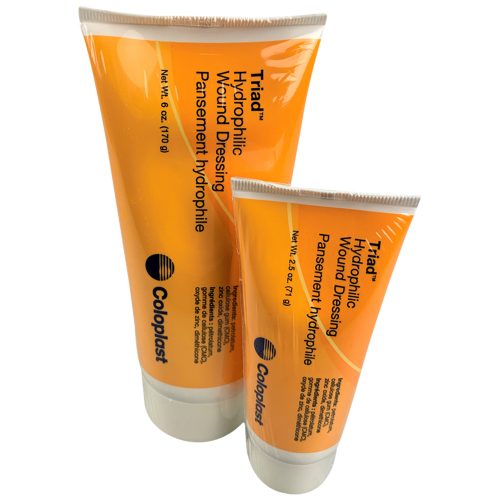
Cleansers like specialized polymer-based hydrogels and precisely formulated hypochlorous acid (HOCl) solutions are safe to apply to wounds.
Unlike hydrogen peroxide, these cleansers are non-cytotoxic. This means they don’t damage human tissues and cells as they kill germs.
Make sure to only use these cleansers as directed. Do not mix different cleansers together!
Apply An Antibiotic Gel or Petroleum Jelly
If a wound dries out, the tissues can become further damaged. This disrupts healing.
Applying an ointment or jelly keeps the wound’s environment appropriately moist. For added protection, try WeCare Triple Antibiotic Ointment. It uses three antimicrobial ingredients to prevent infection and stop biofilm growth.
If you prefer non-medicated gels, apply Vaseline 100% Pure Petrolatum Jelly. It protects the wound and the skin around it to promote healing.
Bandage The Wound
For small cuts or burns, use a flexible adhesive strip like Flex-Band. Make sure the gauze pad section of the bandage completely covers the wound. Stick the adhesive strips to skin outside the jelly coverage.
Dressings For Moderate, Severe, or Complex Wounds
Deeper and more complex wounds can require stitches. They also often benefit from multi-layer dressings.
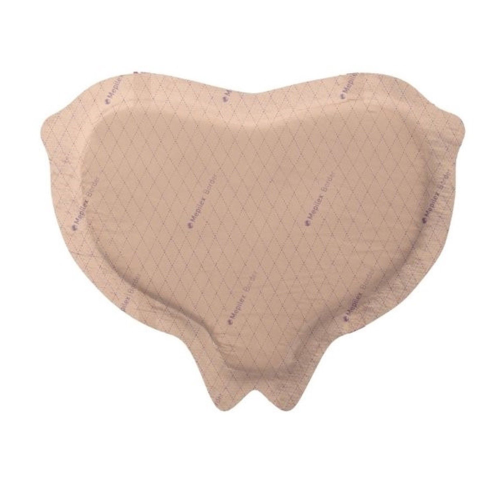
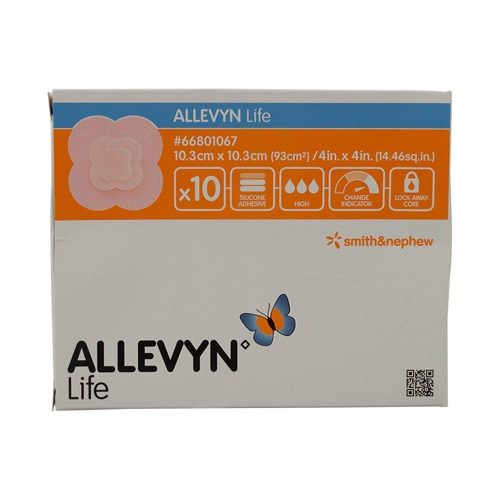
The wound contact layer is the primary dressing layer. Gentle options like non-adhesive silicone pads or AMD-treated foam discs contain and soothe the wound while protecting its environment.
Wounds with a lot of fluid may need a secondary absorbent layer. Typically, this is a layer of foam or gauze.
The outer layer secures the dressing in place. Often, self-adherent elastic wraps are useful, and they can control compression to reduce swelling if needed.
Use Safer Wound Care Solutions With Medical Monks
You don’t need hydrogen peroxide to treat cuts and scrapes at home. With Medical Monks, you can take care of wounds in accordance with best practices.
Help Wounds Heal Faster With Sting-Free Cleansers
Cleanse cuts, burns, and scrapes with Vashe Wound Solution NZT 5.5. Its unique formula is pH-balanced to maintain your body’s tissues.
Vashe utilizes hypochlorous acid (HOCl), a non-cytotoxic ingredient that, unlike H₂O₂, effectively kills rotavirus, staph, and MRSA. The HOCl solution is also non-irritating to skin.
For Serious Wounds, Talk To A Medical Professional
Certain types of wounds can’t be safely treated at home. Medical professionals are necessary to administer:
- Stitches
- Emergency aid to staunch bleeding
- Wound drainage treatment
- Chronic wound care
- Treatment for wounds posing a higher risk of infection due to their location
For moderate and severe wounds, and mild wounds that seem slow to heal, seek medical help swiftly. Go to an urgent care clinic, or book a same-day appointment with your doctor.
If your doctor instructs you to change your wound’s dressing at home, follow their directions precisely. They may prescribe a specialized ointment, like BlastX Antimicrobial Wound Gel, to speed healing.
________________________________________
We invite you to set aside the hydrogen peroxide. Instead, treat wounds like a pro. Shop our premium wound care solutions today.

The MEDICAL MONKS STAFF brings to the table decades of combined knowledge and experience in the medical products industry.
Edited for content by JORDAN GAYSO.