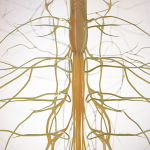

Spinal cord injuries (SCI) are difficult for anyone to overcome. Aside from the loss of movement you are likely to experience, you could also experience pain, discomfort, and bladder control issues that can complicate your recovery process. Spinal cord injury bladder control issues are common side effects related to SCIs attributed to motor-vehicle accidents, slips and falls, or even as a result of sports or recreation injuries.
Catheters play an important role in the management of bladder control issues related to SCIs. Proper use of such products on behalf of medical professionals and caregivers can help individuals on the path to recovery, ensuring long-term bladder health and comfort for the patient. Embrace a bladder control management strategy that is balanced between comfort and ease of use, but can also limit the possibility of infection.
How an SCI Can Impact Bladder Function
Spinal cord injuries can result in an individual experiencing disruption of their normal bladder functions. In some cases, an injury to the spine can disrupt the messages sent from the brain to the bladder, resulting in the bladder being either overactive or underactive. The spinal cord remains an incredibly complex part of the human body, where the brain sends signals throughout the body, helping people know when to urinate.
With serious spinal cord injuries, these messages can be disrupted or disappear entirely. The patient may lose control of their bladder entirely, where the bladder may contract or spasm without notice, while the individual may have issues retaining urine in the bladder, resulting in incontinence (leakage). Some patients are unable to notice when their bladder is full, requiring additional assistance with the insertion of a catheter.
Depending on the nature of the spinal cord injury, some individuals could experience damage to the kidney, face complex UTI issues, or challenges related to their blood pressure as a result of their challenges related to bladder control. Bladder management can grow to be a complex matter, where regular care, cleaning, and maintenance are essential elements to the health of the individual patient. Support your patients throughout the road to recovery and ensure they are comfortable by purchasing bladder management products suitable for spinal cord injuries.
Additional Resources From Medical Monks
Take the time to read more about catheters and their many related subtopics. Medical Monks offers many different resources to help you find the right products. Visit our website regularly for more helpful information.
- Consider the possibility of catheter UTIs.
- Learn more about proper catheter sizes.
- Flushing a Foley catheter.
- How to use intermittent catheters.
Catheter Options After a SCI
Catheters can help address the complications associated with the loss of bladder control that is commonly seen as a result of a SCI. Depending on the nature of the injury, their mobility, and allergies, catheters can help relieve patients properly and prevent infection or other complications. Catheter use calls for extended care and maintenance, including cleaning and replacement of certain products. Take the right steps to ensure your patient receives the highest quality care possible.
- Intermittent catheters are an option that can be inserted to drain the bladder when needed. They can be inserted or removed on an as-needed basis, while promoting independence on the patient’s part.
- Indwelling catheters, or sometimes referred to as “Foley” catheters, are an option that is left in the bladder for prolonged periods of time. They do require maintenance and cleaning, and are replaced about once a month. At times, patients may find the experience uncomfortable, but it can help patients with limited mobility feel comfortable while avoiding UTIs.
- Suprapubic catheters are another option available to patients in which the catheter is inserted via surgery into the abdomen, rather than the urethra. Caregivers and medical professionals will need to consider details regarding the patient before choosing the right option, including age, allergies, and mobility.
Daily Care & Monitoring For Bladder Issues After a SCI
Catheter use will need to be carefully monitored after an SCI. Kinks in the catheter system can prompt complications, while infections are also possible without proper care, cleaning, and monitoring. Catheter spasms are also a possibility, where irritation or blockage can prompt the individual to need to urinate suddenly. This can result in unpredictable challenges, where unexpected leaks can call for cleaning and replacement. Further, UTIs are also a possibility, where improper catheter insertion or usage can prompt serious infections that will require additional care.
Catheters will need to be properly maintained and cleaned to prevent issues before they arise. Caregivers and healthcare professionals must thoroughly wash their hands before handling any part of the body or the catheter equipment itself. Further, collection bags will need to be properly emptied. Should a catheter become dislodged, it can result in damage to the skin or urethra, requiring securing devices to ensure a stable connection.
Complications and When to Seek Specialized Assistance
Catheter infection should prompt additional specialized care. Symptoms of such an infection can include an individual experiencing fevers, but also a foul smell from the drainage bag itself. Significant pain is another possible complication, where a blocked catheter can create complex issues and discomfort, including high blood pressure or elevated heart rates.
Some signs of catheter infection could include a change in the appearance and smell of the urine itself. Urine may appear to be dark or cloudy, and blood may sometimes appear in the urine as well.
Extended bleeding, skin irritation, or inflammation are all possible outcomes of catheter use after a SCI, as well. Should any of these issues arise, seek additional specialized care before they grow into deeper and more complicated issues.
Choosing the Right Bladder Management Strategy
The right bladder management strategy is dependent on the patient themselves, where intermittent and indwelling catheters may improve the comfort of the patient and help them on the road to recovery. Caregivers will need to prioritize the protection of the kidneys, helping patients remain comfortable, while also avoiding the possibility of infection.
Some catheters may not be suitable due to a patient’s allergies or mobility levels. Choose catheters based on the patient’s individual needs.
Explore Medical Monks For Catheter Offerings
Look to strike a balance by choosing catheters that offer both comfort and support. STIs remain complex issues that could call for long-term use of catheters. Browse the Medical Monks online store for a long list of catheter products available entirely online.
Carefully read and follow the labels of any products you purchase before use. Collaborate directly with healthcare professionals and find options suitable for your needs as a caregiver. Head online and explore our long list of offerings suitable for healthcare and caregiver settings.