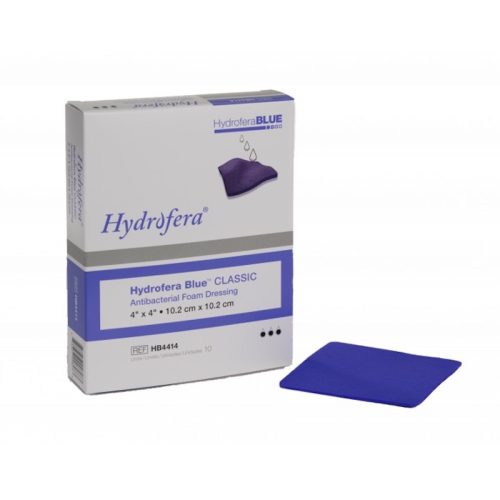

There are several different types of wound closure options for individuals who have open wounds. Between scrapes, cuts, burns, surgery, or impacts from foreign objects, wounds can arise for several different reasons. When the protective outer layers of skin are damaged or traumatized, there are different options available to close the wound and begin the healing process.
While there are many different types of wounds that can occur, there are also several different ways of healing the wound itself. Some wounds will need to be carefully cleaned and sterilized as a means of preventing infection prior to being bandaged. In other cases, wounds that are already suspected of being clean and free from bacteria can be quickly stitched together, prompting a quick and efficient healing process. Depending on the nature of the wound, there may be several wound healing products needed for a safe and infection-free recovery process.
For simplicity, we can classify wounds into three different categories: primary, secondary, and tertiary wound closure options.
Primary Closure (First Intention)
Primary closure, or “first intention” closure of wounds, sees the outer edges of a wound pulled or stretched together, sometimes with staples or sutures. This is a method of wound care that is intended to promote quick healing and is typically used in situations when the wound itself is considered generally clean and is without significant laceration or trauma to the skin’s surface.
When the tissue is pulled together and the wound is closed, the body can begin to regenerate skin and other tissues. There are a number of different dressings available for such wounds, including traditional gauze, but also waterproof and transparent dressings that can reduce bacteria and ensure the healing environment remains moist. Many of these wounds are carefully prepped before they are closed, using anti-bacterial creams, ointments, and sprays to prevent bacteria from being trapped within the surface.
Secondary Closure (Second Intention)
Secondary intention is another method of wound healing where the wound itself is not closed with stitches or any other surgical procedure. The wound is intentionally left open, where new tissues will slowly regrow and fill in the open area. This method is used to actively prevent bacteria from being trapped within the wound, where there is suspicion that the wound is already contaminated by bacteria. This method is also used if the wound is simply too large to be sutured closed. Additional dressings or ointments are sometimes applied to create a moist healing environment, where such dressings are regularly reapplied to manage the risk of infection. The healing process could take several days or weeks, and is not considered a “quick” fix.
Tertiary Closure (Delayed Primary)
Wounds that are suspected to have been exposed to bacteria or dirt will need to be first regularly cleaned and observed before they can be sutured together. This is a delayed primary wound healing option, where regular monitoring of the wound can help ensure it is free from infection.
In these cases, the wound is left open for cleaning and observation for several days in order to identify possible infection and be prepared for closure. This process could take significant time, depending on the nature of the wound itself. Typically, this process calls for regular redressing of the wound, including ointment that can keep the surface moist, clean, and prevent infection. Healthcare professionals may also use transparent dressings or bandages to be able to monitor the wound without redressing it.
Additional Resources From Medical Monks
Learn more about wound dressings and the healing process of traditional wounds.
- How to Clean a Wound
- Exploring the Best Wound Dressings
- Considering Types of Wound Healing
Choosing the Right Closure Type
The first priority for choosing the right healing option is to prevent infection. Bacteria can find their way into a wound, especially if patients and caregivers fail to regularly wash their hands and work in a sterilized environment. Never touch any sort of medical equipment without first properly washing your hands with hot soapy water, and always work to ensure that the wound itself is properly cleaned before redressing or applying any sort of dressing.
Primary closure could be suitable for wounds that have not resulted in significant loss of tissue and have a low risk of infection. Wound sutures and staples are an appropriate option, closing up the wound and prompting a quick recovery. Wounds that have seen a significant loss of tissue will need to be closely monitored for infection and then properly closed. Locking in bacteria or dirt within the wound itself is likely to prompt further issues.
Deep wounds that are too large to be sutured closed will also need to be regularly cleaned to prevent infection. This can be done with transparent dressings that create moist healing environments, allowing the body to regrow tissue without exposing it to the risk of infection.
Antimicrobial ointments and dressings are especially helpful for proper wound healing. Dedicated redressing and proper care can also result in reduced scarring. There are a number of ointments available that can help ensure wounds heal as fast as possible and actively reduce the risk of infection. Ensure the healing surface remains moist, free from any kind of debris.
Implications for Wound Care Products
Caregivers will need to assess the wound and consider every detail of the wound itself (size and depth) and whether or not there is a risk of infection. Some dressings can manage the risk of infection and work to address the exudate that can arise from serious wounds. The natural healing process of wounds often sees exudate rise from the wound itself. This is part of the healing process. There are often wound dressings that are designed specifically for absorbing such wound exudate while creating a moist healing environment free from infection. Seek out professional guidance for dressing any kind of wound.
First intention wound closure will require the wound to be properly cleaned and be entirely free from bacteria before closure with staples or sutures. These wounds are often not deep in nature and can be easily closed together with stitches or medical-grade staples. Some healthcare professionals also use specialized glue to help close a wound itself.
Wounds that need to be monitored and cleaned before closure can benefit from anti-microbial dressings, or other gels and films that can create a moist healing environment. Some wounds that significantly exude may require the use of an absorbent wound dressing, aside from traditional dressings like gauze, cotton, or traditional bandages. Product choice and dressing strategies may differ based on wound type.
Look To Medical Monks For Your Wound Care Needs
Explore many different wound care products available on behalf of Medical Monks. Carefully read and follow the labels on all products before purchase, and explore offerings that can address several different avenues for exceptional wound healing. These products are intended for use on behalf of medical professionals and caregivers, with options that include free shipping across the United States.
Look to qualified medical professionals for dressing your wounds properly, helping you better understand the process and what type of products are being used. Should you ever be unsure as to whether or not a wound is healing properly, consult directly with a qualified medical professional.
Check back on the Medical Monks website regularly for new products specifically designed to make the most of your wound care efforts. Explore medical-grade products that can reduce the risk of infection and expedite the healing process. Should you ever be unsure of what product will suit your needs, collaborate directly with your healthcare professional for further guidance.

The MEDICAL MONKS STAFF brings to the table decades of combined knowledge and experience in the medical products industry.
Edited for content by JORDAN GAYSO.