Enlarged prostate is a condition that affects almost all men as they age. In the United States, roughly 50% of men experience prostate enlargement by age 50. By age 85, the number jumps to 90%.
Not all people with an enlarged prostate have painful or disruptive symptoms. But, for those who do, there are plenty of treatment options available.
What Is An Enlarged Prostate?
The prostate is a gland found under the bladder and above the rectum in men. It releases androgen hormones.
An enlarged prostate means this gland is bigger than normal. Another term for an enlarged prostate is benign prostatic hyperplasia, or BPH.
Only non-cancerous enlargement is called an enlarged prostate.
What Causes Benign Prostate Enlargement?
Doctors aren’t always sure if the underlying cause of BPH in every case. Even when the cause is unknown, symptoms are treatable.
BPH is usually caused by hormonal changes, like an increase in dihydrotestosterone (DHT), or changing hormone receptors.
Types of Benign Prostatic Hyperplasia (BPH)
While there aren’t different “types” of BPH by cause, urologists do classify the condition by severity.
The medical journal Translational Andrology and Urology categorizes enlarged prostates in four stages:
- Stage I: No significant obstruction, no “bothersome” symptoms
- Stage II: Some bothersome symptoms, no significant obstruction
- Stage III: Significant obstruction, regardless of symptoms
- Stage IV: Significant obstruction, significant BPH complications (retention of urine, recurrent gross haematuria, urinary infection, or bladder stones formation)
Later stages are typically treated with a combination of surgery and medication.
Enlarged Prostate Symptoms & Warning Signs
If you’re a man, you might have an enlarged prostate if you’re experiencing any of these symptoms:
- Urgent or frequent need to pee
- When you try to pee, urine moves slowly, dribbles, or doesn’t flow at all
- Bladder doesn’t completely empty when you pee
- You experience “leaks”
- Your urine has an unusual color or odor
- Peeing is painful
Other conditions could also cause these symptoms, so it’s important to talk to a doctor to get an accurate diagnosis.
Diagnosing Benign Prostatic Hyperplasia (BPH)
Urologists sometimes recommend using an intermittent catheter to address certain BPH symptoms. The IC helps urine flow comfortably past the blocked or pinched point in the urethra.
How Is BPH / Enlarged Prostate Treated? (Options)
BPH treatments fall into three categories: prescription medications, catheter treatment, and surgical options.
A urologist might recommend a combination of treatments to effectively address enlarged prostate symptoms.
Medications
Medications can reduce the tension the enlarged prostate puts on the urethra, reducing both the need to pee frequently and trouble releasing urine.
Most of the commonly prescribed medicines relax the smooth muscle tissue inside the prostate. These often include:
- Tamsulosin (Flomax)
- Terazosin (Hytrin)
- Doxazosin (Cardura)
- Alfuzosin (Uroxatral)
- Silodosin (Rapaflo)
Doctors sometimes prescribe alpha-1 blockers, like Finasteride and dutasteride to reduce the gland’s overproduction of DHT. This addresses the underlying cause of prostate growth.
Catheters
Catheters can be prescribed to treat BPH symptoms
Intermittent Catheter For Urinary Retention
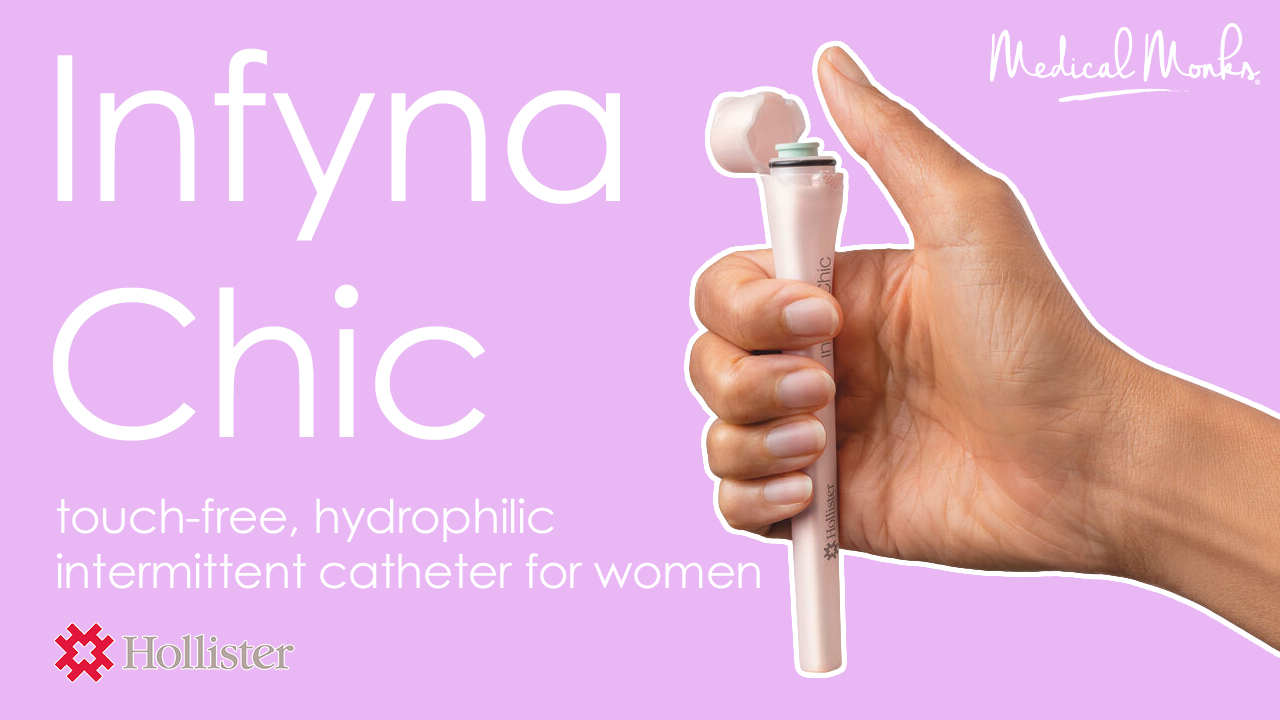
Urologists sometimes recommend using an intermittent catheter (IC) to treat urinary retention. Urinary retention means your urine flows slowly, or you can’t fully empty your bladder when you pee.
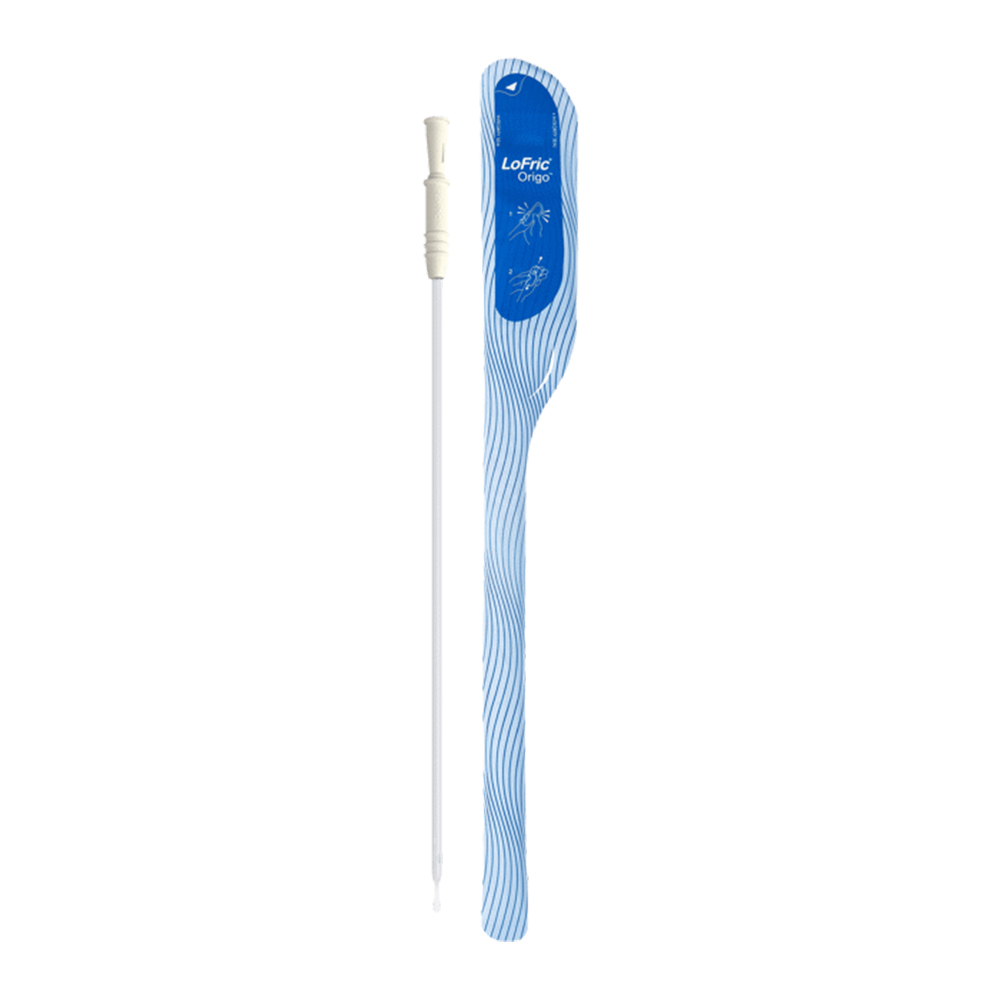
The IC helps urine flow comfortably past the blocked or pinched point in the urethra. It’s a specialized tube you insert right when you’re ready to pee. After you’ve emptied your bladder, the IC can be disposed of.
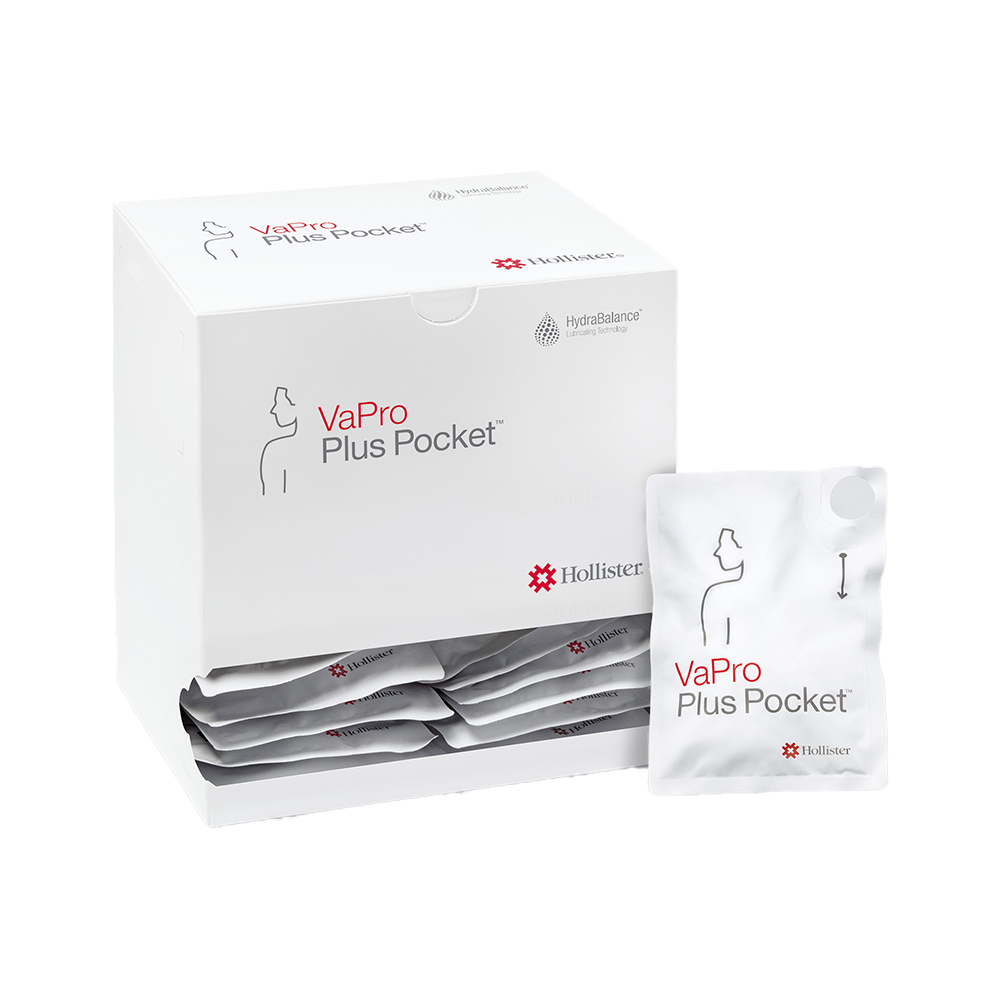
For most patients, a flexible catheter is the most comfortable option. ICs like the VaPro Plus Pocket Intermittent Catheter have narrow, hydrophilic tips for comfortable insertion.
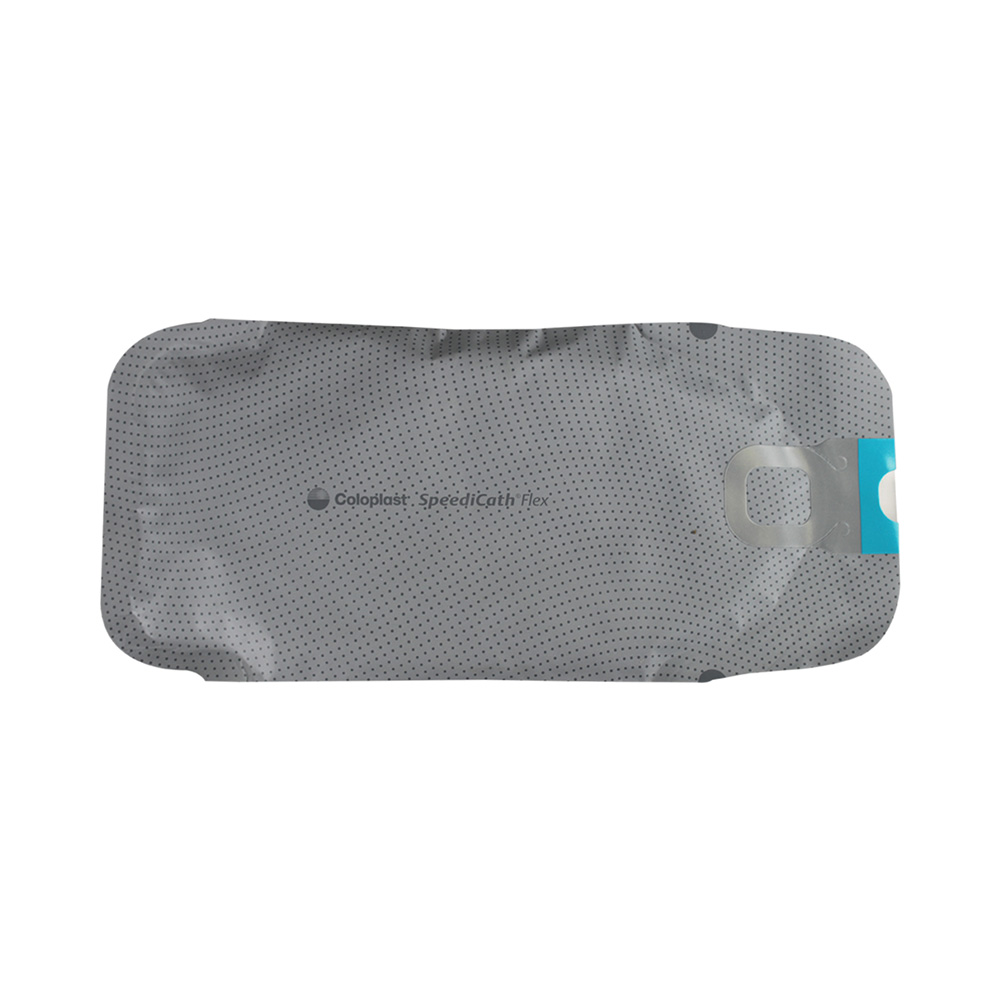
If the enlarged prostate causes a bend in the urethra, a curved coudé tip catheter may be more comfortable and effective. In that case, you might try the Speedicath Flex Coudé Pro Standard.
External Catheter For Urinary Incontinence
Urinary incontinence is when small amounts of pee leaks out when you aren’t expecting it.
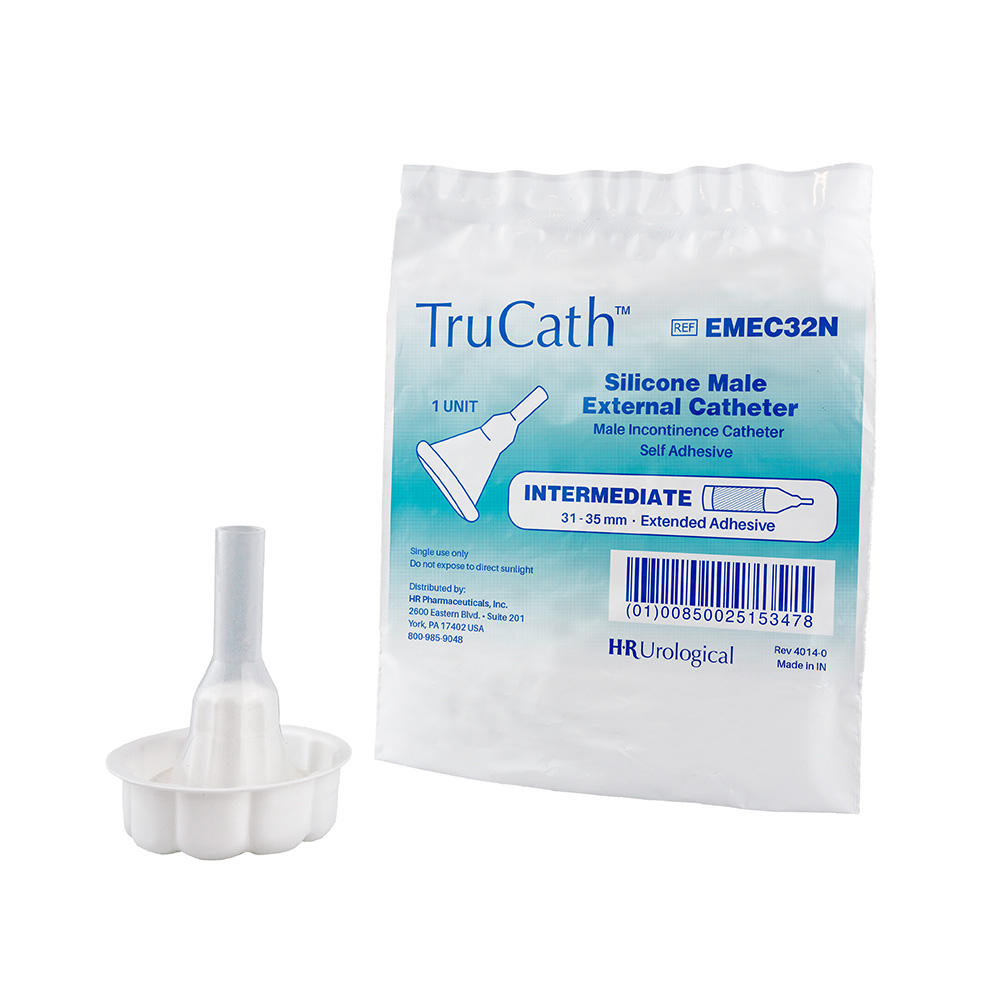
Some choose to wear an external catheter to catch these leaks. External catheters aren’t inserted inside the urethra. Instead, they fit over the outside, like a condom.
Options like the TruCath Male External Catheter with Extended Adhesive can be worn for 24 hours. They make it easy to catch leaks while you sleep, or as you go about your day.
Surgical Treatment Options
In some cases, doctors recommend treating BPH surgically. Most common are transurethral resection of the prostate (TURP), which removes excess prostate tissue.
In some cases, the surgeon may widen the urethra where it connects to the bladder, potentially installing a temporary stent, to improve urine flow.
Shop BPH Treatment Supplies With Medical Monks
At Medical Monks, we offer a curated selection of quality supplies to meet patients’ needs. Shop our five-star urology products today.